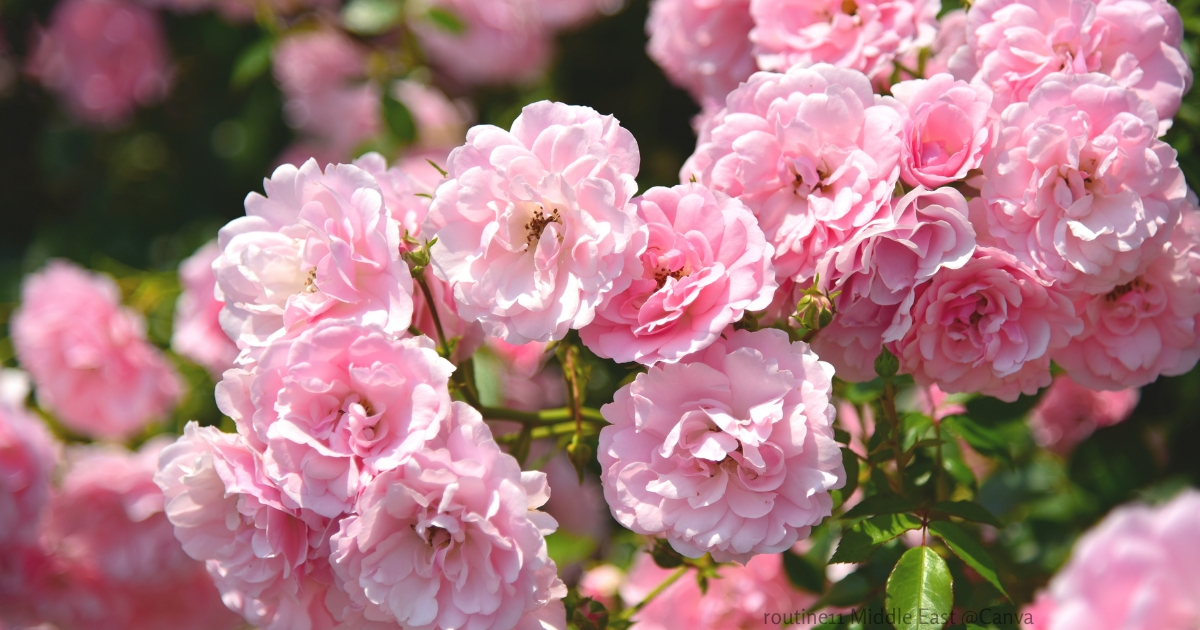
Rose water lives in the door of my fridge, cold and ready, the way I like it best. After 4 years in this region, and struggling with hair loss for more than 20 years, you stop trusting the packaging and start trusting the pantry. Some of the best things I use on my skin and hair cost a few dirhams and are always in my kitchen.
In this article
When I wrote The Dubai Guide for Hair Loss, I spent most of the pages on the ingredient list, the names every brand should print on its label, and what those names actually mean. I did not say much about the other half: how you can fold some of those same ingredients into your food and your daily routine at home to help your skin and hair. Consider this an attempt to complete the missing half.
All 8 ingredients below are in the guide, and here is a little bit more about them.
The beauty market here is huge and still growing (US trade data), and much of that spend goes into skincare. But heritage matters too. A lot of what works in this climate is already part of local culture, from rose water to mountain honey (Dubai Culture heritage).
What the UAE climate does to your skin and hair
Living here is lovely. It is also hard on skin and hair, and it helps to be honest about why.

We get 45 degrees and above for roughly 3 months in a row. The air conditioning runs all day and pulls moisture out of the room and out of us, so skin ends up dehydrated even though we never see the sun.
Fine sand particles get into everything, including our scalp. Warm, sandy winds rough up the hair cuticle.
The tap water is hard, which is why our hair squeaks and our skin feels tight after a shower. And because most of us hide from the sun so well, low vitamin D is common, which shows up as tired skin and more shedding than usual.
Two of these deserve a closer look.
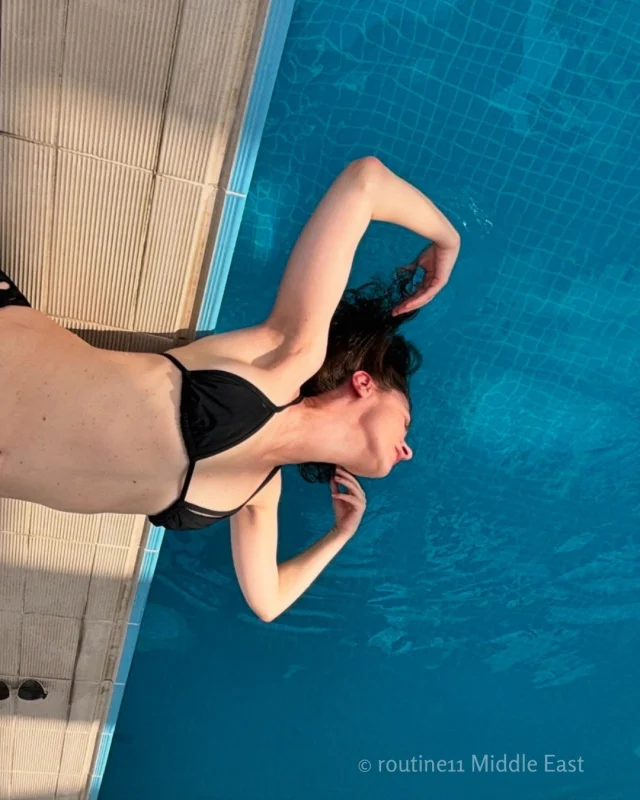
Hard water is the quiet one. The high mineral content leaves a film on hair that dulls it, makes it harder to rinse the product out, and can leave the scalp itchy and flaky. A cheap shower filter helps more than most people expect.
Low vitamin D is the other. We do everything right by staying out of the midday sun, then wonder why our energy and our hair feel flat. If the doctor agrees, a blood test and some supplements often do more than any bottle.
None of this means Dubai is cursed.
Hair loss is common enough here to be its own market (UAE hair-loss market data), and skincare spend keeps climbing (UAE skincare market).
The conditions simply stack: heat, hard water, stress, and low vitamin D or iron.
The ingredients below will not fix our genetics, but they help us work with the climate instead of against it.
Rose water, straight from my fridge
Rose water is the one I reach for daily, and it has real roots here. Sharjah recently unveiled the first locally produced rose water, made from Mohammadi and Taifi roses grown in the emirate, and small local farms are starting to move from farm to vase. I love that.

And yet I still buy my rose water from the big supermarkets, because for all my looking, I cannot find an online store selling homemade UAE rose water. If you know one, please tell me.
I keep the bottle in the fridge and use it as cold as I can stand on my face. That cold hit is half the treatment.
After a full day in air conditioning, my face feels tight and a little angry. Cold rose water calms my redness, adds a light layer of hydration, and rebalances things after cleansing. It is gentle and anti-inflammatory, which is exactly what over-conditioned indoor skin needs.
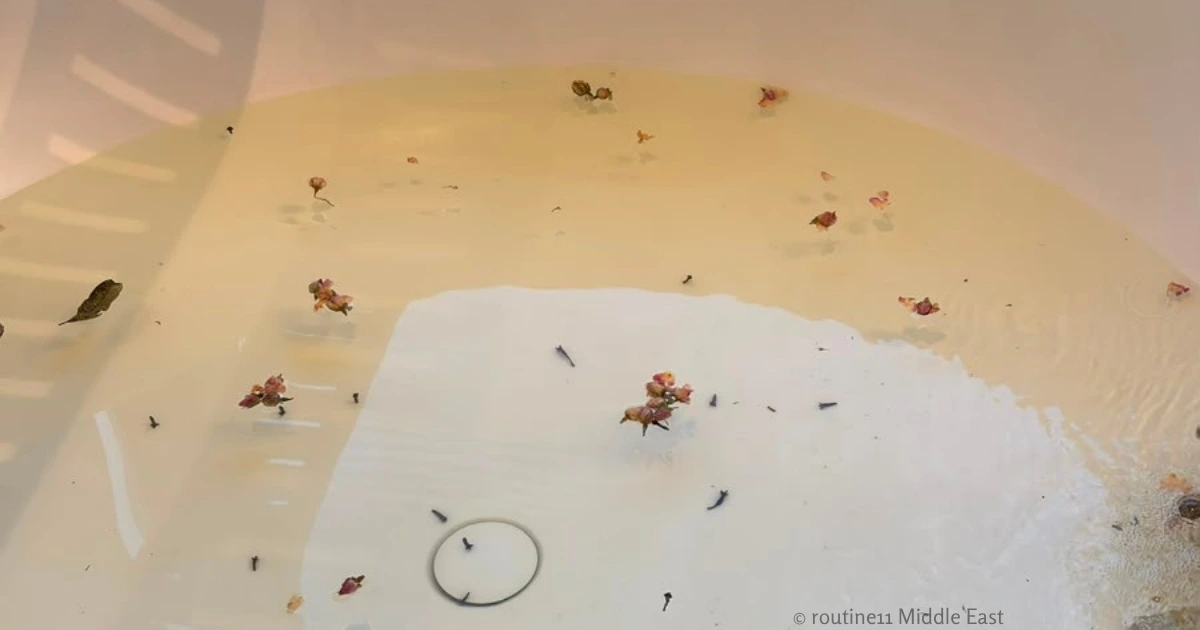
When I work from home, I love to apply cotton pads soaked in cold rose water to my face, under my eyes, and to cover the new pimples. I have oily, acne-prone skin, and I cannot describe how much oil my skin produces in a day. Adding the cold rose water to my skincare routine was a blessing.
Rose water will not regrow hair. What it does is soothe an irritated scalp after a sweaty day, add a little antioxidant content, and leave that soft, rosy scent I’m just crazy about. It is not a growth serum; it is more for my own comfort and calm.
Back home, rose water is only available in certain stores, not at the supermarket. Here, it is available at Carrefour, Lulu, Spinneys, and most supermarkets. For nicer bottles, the attar and heritage shops in the older souks are worth a wander.
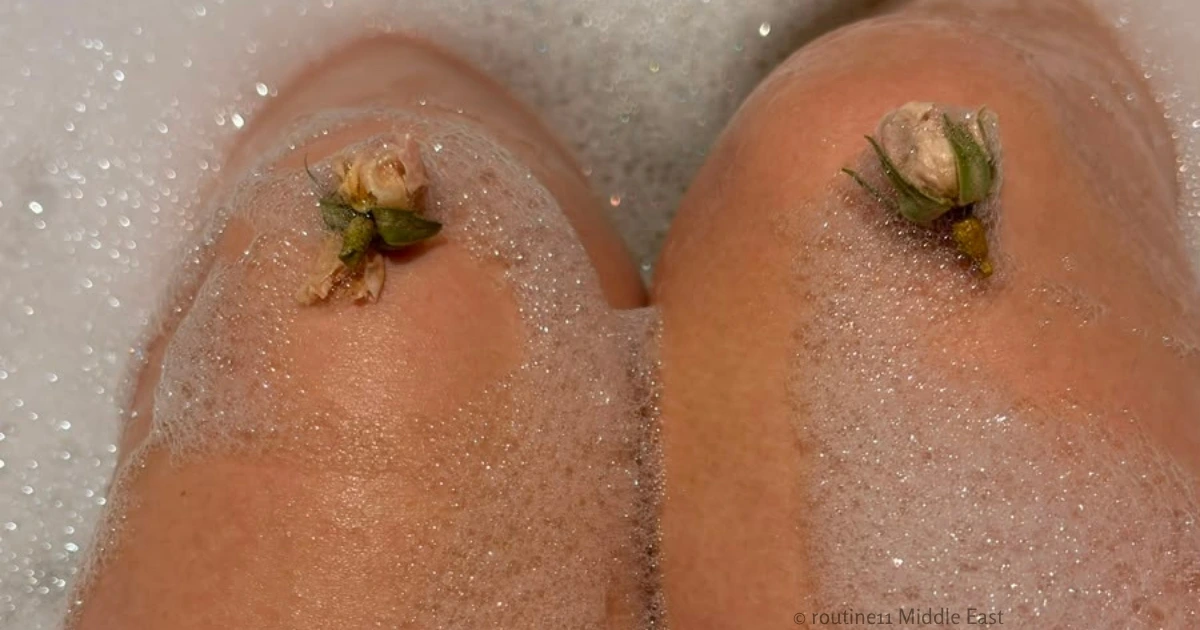
I don’t thin it with water, and I don’t mix it (yet) with anything, I keep it in the fridge and use it as it is. I love it after I’m back from the beach. Cold, quick, done.
One thing I only worked out later: good rose water is safe to drink, not just to splash on my face. I add a spoonful to my lemonade, and a few drops to my coffee when I want that soft, floral thing going on.
If you decide to drink your rose water, make sure you check the ingredients, and you only see roses in the list, not a cosmetic bottle with added preservatives or fragrance.
And if roses are new to you, start with a small drop, because the flavor is stronger than the smell lets on. Rose water has been used in food and drink since the Middle Ages, so you’re in old company.
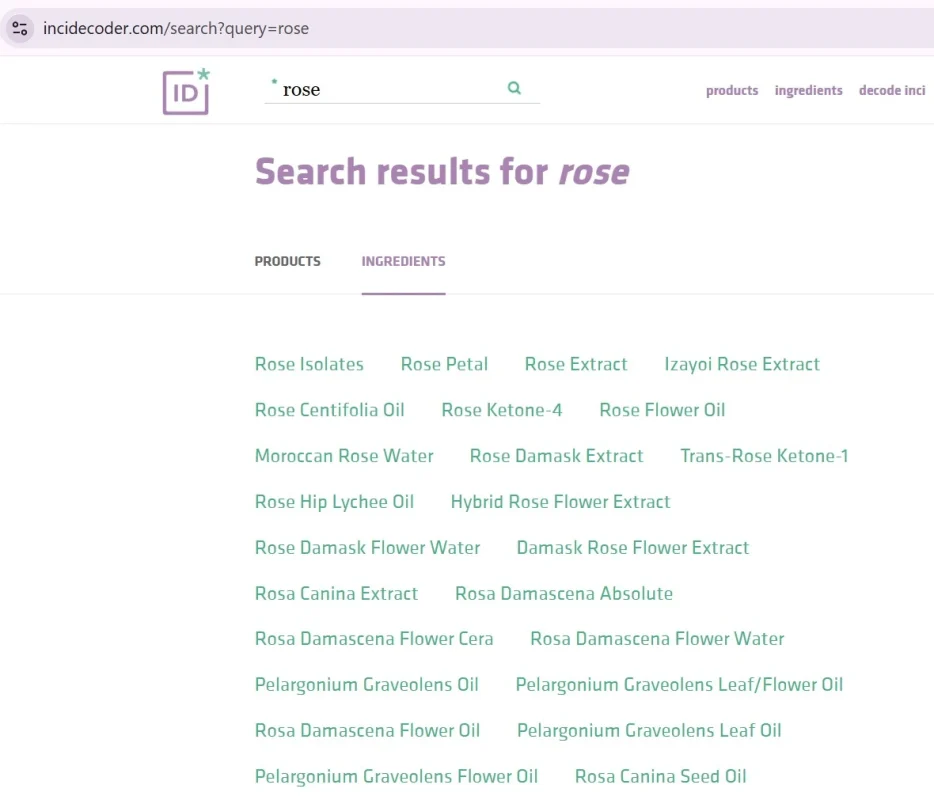
In my book, I introduced you to INCI Decoder to help you find the good ingredients. Here is how you can find rose in your beauty products.
Some seeds I soak: fenugreek and flaxseed
Two cheap seeds that have been in Gulf and South Asian kitchens forever were introduced to me by the “holy social media” just when I was about to turn 4 years in the UAE. Both work better soaked than dry.
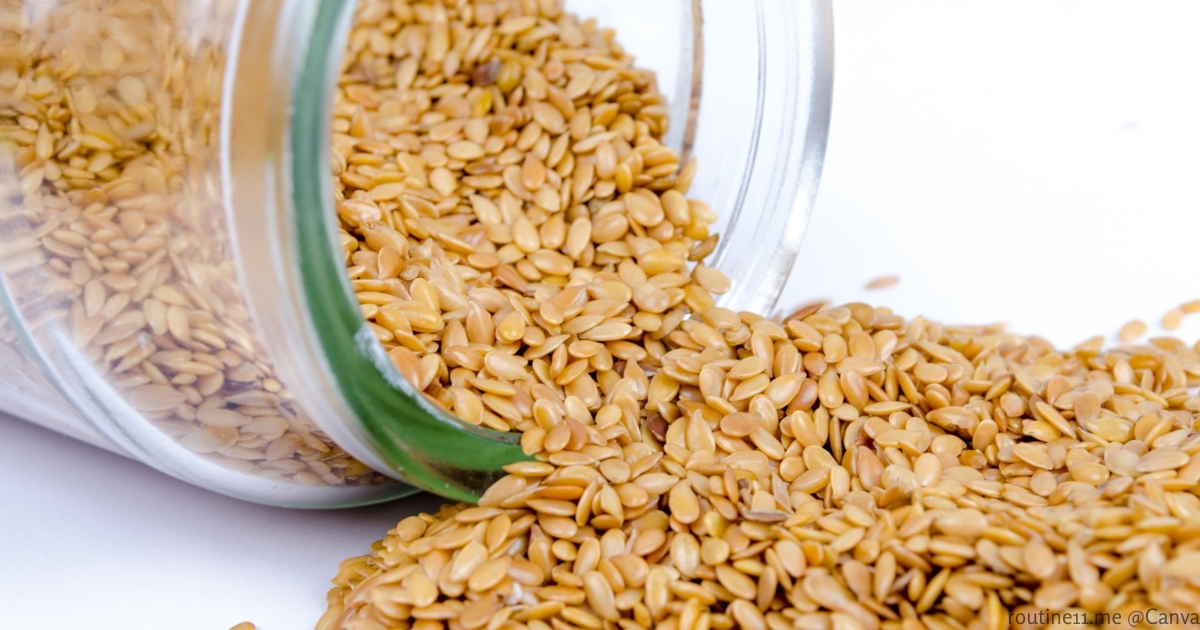
I soaked fenugreek (Trigonella Foenum-Graecum Extract, according to INCI) in water overnight, and it turns into a yellowish water drink that I drink every morning. It is rich in antioxidants, supports hair strength, and reduces shedding.
The gel you get from boiling flaxseed is a natural hydrator, and eating the seeds gives you omega-3s that support the skin barrier from the inside. In a climate this dry, barrier support matters. Flaxseed gel gives light hold and cuts breakage, and less breakage means less hair in the drain, which reads as less loss. The omega-3s also support a healthier scalp when you eat them.
For the gel, I simmer 2 tablespoons of seeds in a cup of water until they turn slippery, strain them, and let them cool. It keeps in the fridge for about a week.
You can find both fenugreek and flaxseed in any supermarket spice aisle or at an Indian or Arab grocer for the cheapest bag going.
Coconut, two ways: water and oil
One you drink, one you smooth on. They do different jobs.
In this heat, we dehydrate faster than we think, and no, the AC does not help. Coconut water is such an easy way to hydrate and top up potassium, and of course, a hydrated body shows up as calmer, plumper skin.
Coconut oil is so good as a barrier layer for dry patches and rough body skin. You need to go easy on the face if you break out and/ or have oily skin like mine, since it can be heavy.
This is the one with actual lab evidence. Coconut oil penetrates the hair shaft and reduces protein loss, so your hair snaps less in hard water and sun. It will not grow new hair, but it protects the hair we already have.
I do have extremely fine and weak hair; it has been the struggle of my life. I mean, I wrote a book about it. But especially during the summer months here, I’ve noticed the ends go so dry, and they tend to split and break so easily.
I warm a little coconut oil in my palms, work it from mid-length to ends, and lightly into the scalp, then leave it for an hour before shampooing. Twice a week is plenty. More than that, fine hair like mine goes limp.
Carrefour, Lulu, Organic Foods, and amazon.ae. Choose virgin or cold-pressed, and check reviews, because quality varies a lot online.
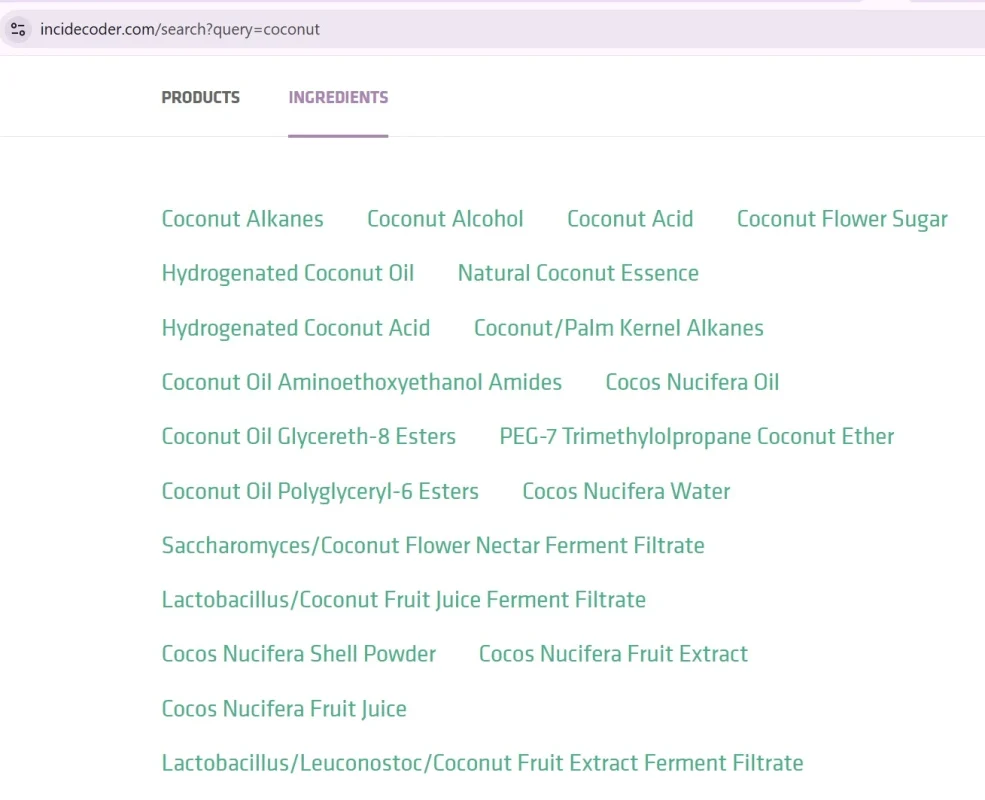
Always check the INCI because coconut, as an ingredient in your beauty products, can appear under many names.
The quad in your pantry: Hatta honey, coffee, rosemary, and rice
There are 4 ingredients already in most kitchens here, each pulling its weight.
And I want to start with my second favorite, the Hatta Honey.
Hatta’s mountain honey, harvested up in the Hajar mountains, is a genuine local product, and UAE honey culture runs deep.
For skin, it is a humectant and mildly antibacterial, which makes it a good spot mask that pulls moisture in and calms things down.
For the scalp, the same properties make a nice pre-wash mask for a happier, less flaky scalp. Use honey and honey-based products for scalp health rather than growth.
Just a few photos I’m sharing from our visit to Hatta Honey Bee Garden in February 2025. Such an amazing experience.

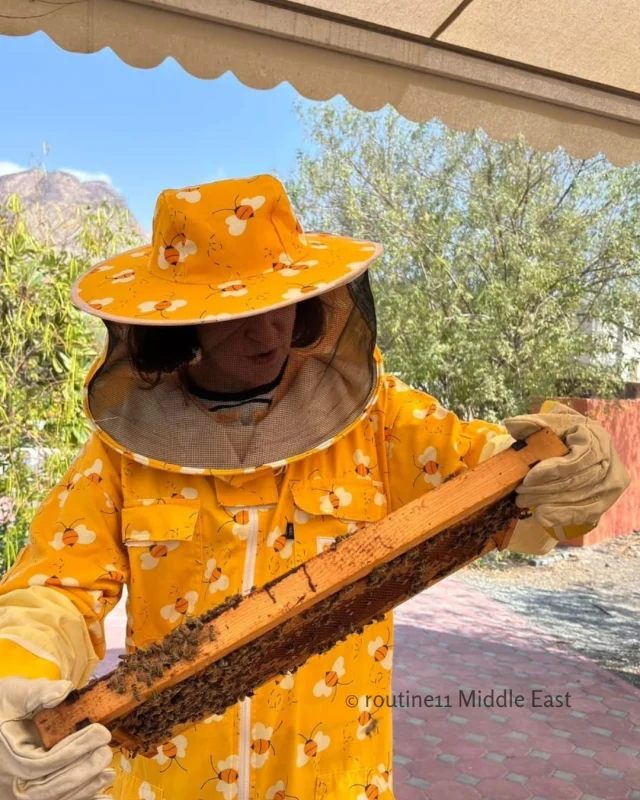
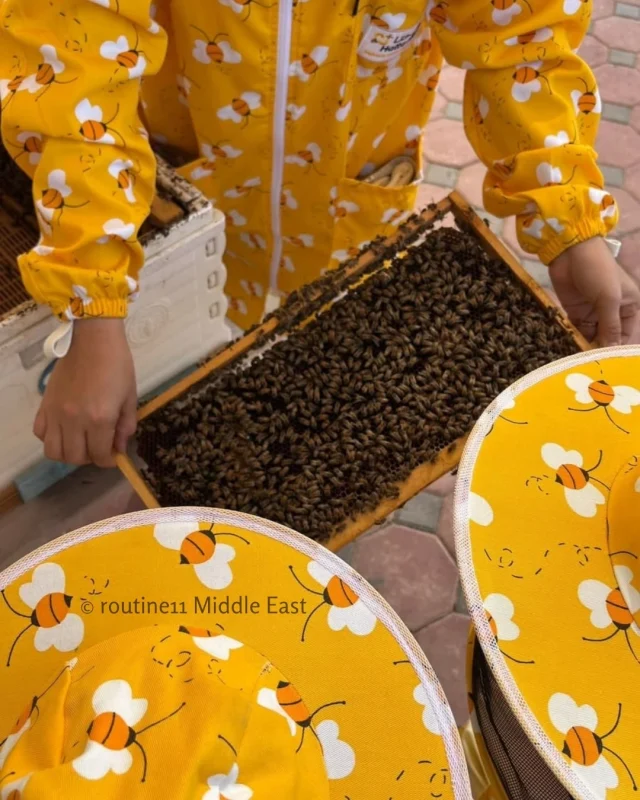



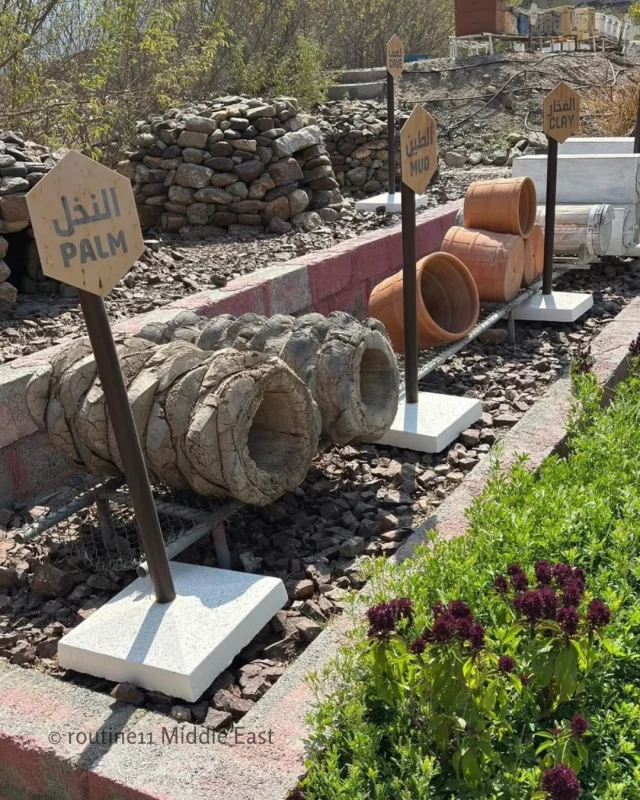
Go out and buy the real thing at Hatta Honey shops, honey festivals, farmers’ markets, or Union Coop, not the cheap squeeze bottle.
And then, there’s the ultimate all-time favorite, coffee, of course.
For skin, cooled coffee or coffee grounds temporarily tighten and depuff, and the grounds make such a good body scrub (skip the face if you are sensitive).
For hair, caffeine has been shown in lab studies to stimulate follicles, which is why caffeine shampoos exist. Added this to my book as well; the evidence is thin and mostly topical, so treat a cooled coffee scalp rinse as a cheap experiment rather than a cure. It is already in your kitchen, so it costs you nothing to try.
Thank you, social media, for introducing me to rice fermented water.
Wrote about it in my book, rice water is an old East Asian beauty ritual, most famously from the Yao women of Huangluo, and it has quietly crossed into Gulf routines too.
Korean beauty brands use rice in their products, just as I use salt and pepper in my cooking. It is a gentle, slightly brightening toner. For hair, a rice water rinse adds slip and shine and contains inositol.
To be honest, the evidence of hair loss is anecdotal, not clinical. I use it because it makes my hair easier to detangle, which means less breakage, not because it regrows anything.
To make it, I rinse a handful of rice, soak it in water overnight, strain, and use the cloudy water as a final rinse in the shower or a toner on a cotton pad. You already have rice in the cupboard.
Rosemary, the one with real evidence, has the most pages dedicated in my book about hair loss. Here is page 197:
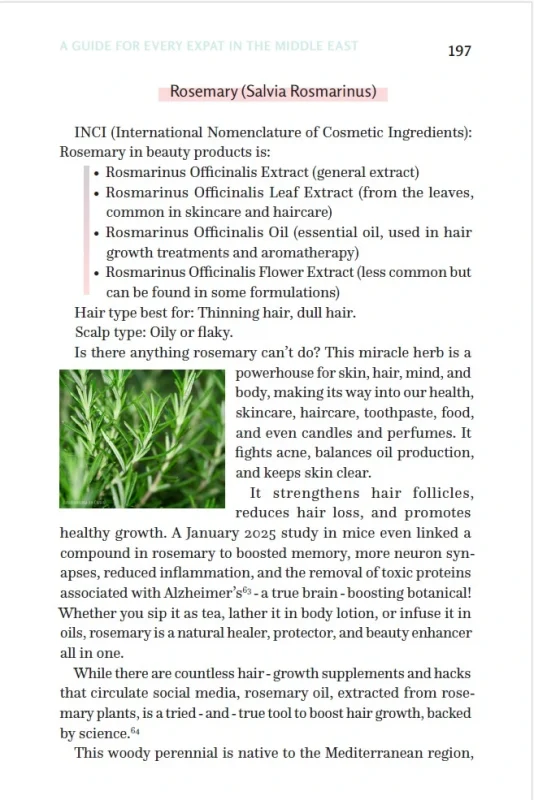
If I had to bet on one ingredient for hair, it would be this one. Another clinical trial from 2015 compared rosemary oil to 2% minoxidil over six months and found comparable regrowth, with less scalp itching in the rosemary group. That is a real study, small but real, and not folklore.
Rosemary water works as an antioxidant toner and a mild astringent, and it supports circulation.
Rosemary oil massaged into the scalp may support growth and circulation. Essential oils are strong, so we can dilute them: a few drops per tablespoon of a carrier like the coconut oil above, massaged in for a couple of minutes, two or three times a week. Rosemary water, made by steeping the fresh herb in hot water and cooling it, makes a simple leave-in rinse. Give it months of consistency, not a weekend.
One small note, I would like to add. If your hair loss is genetic, which is a real and common category here (androgenetic alopecia in the UAE), kitchen rosemary is a support act, not a cure. Best you see a dermatologist. These ingredients help the scalp and hair you are working with; they do not replace a diagnosis.
FYI: grow a pot on your balcony, because rosemary genuinely survives here.
If these 8 ingredients feel like a lot, here is how it actually looks in my week, and it is not much.
- Rose water every day, morning and evening, in my drinks and on my face, straight from the fridge.
- Coconut oil as a pre-wash, now and then, when my hair screams for it.
- When I’m back from the beach, I wash my hair with rosemary water, which I make.
- I drink flaxseed or fenugreek water every morning and apply the flaxseed gel when my hair screams for it.
- Rice water on a weekly basis. Coffee, occasional, more of a treat than a routine.
- Honey masks and rosemary oil, I keep for when my skin or scalp is having a moment.
We do not need all of them at once. Pick two, keep them cheap and consistent, and add from there.
So that is the practical side. When I put the guide for hair loss together, I focused on reading labels, the exact thing that trips people up in the aisle. This article is the companion piece, the how do I actually use this half.
And a reminder, because skincare spend in the UAE keeps climbing (Statista skincare outlook): more expensive does not mean more effective.
Half the shelf is marketing.
And please, if you are shedding a lot, none of this replaces a doctor. Get your iron, vitamin D, and thyroid checked. These ingredients are the maintenance layer, not the diagnosis.
The Dubai Guide for Hair Loss
Want the full ingredient breakdown, the part I spent most of the guide on? It walks you through what every brand should print on the label, what those names actually mean, and what to leave on the shelf when you are standing in the aisle deciding what is worth your dirhams.
That is also why this guide runs long. When I sat down to write The Dubai Guide for Hair Loss, I ended up cataloging more than a hundred ingredients, grouped by where they come from: 26 from nature, 63 from the lab, 9 from the sea, and 9 from the Middle East, rose water among them.
14 of the natural ingredients get the full treatment, with the research laid out so you are not just taking my word for it. And because knowing what to skip matters as much as knowing what to reach for, I added a whole section on the 10 worst ingredients to avoid when you shop for hair care. Rosemary, rice, caffeine, honey, rose water, fenugreek, and flaxseed each have their own pages in there.
Frequently asked questions
Does rose water help with hair loss?
Not directly. It soothes and calms an irritated scalp and adds comfort, but it will not regrow hair. Rosemary is the ingredient here with actual trial evidence for growth.
Where can I buy rose water in the UAE?
Big supermarkets like Carrefour, Lulu, and Spinneys, plus heritage attar shops. Locally made rose water now exists too, from Sharjah’s Mohammadi and Taifi roses, though I still have not found an online store selling homemade UAE rose water.
Why is hair loss so common in the UAE?
The stress and the climate stack against you. 45 degrees (and more) for months, constant switch between AC and hot air outside, hard water, and hot sandy winds, often on top of low vitamin D. Add stress and iron gaps, and it shows up as shedding.
Can kitchen ingredients replace a dermatologist?
No. For genetic or heavy hair loss, see a doctor and check your bloodwork. These ingredients support scalp and hair health; they do not diagnose or cure anything.
With what ingredient should I start?
Coconut oil for less breakage and rosemary for its growth evidence. The rest are good supporting players once those two are in your routine.
The Founder
If you are an expat in the Middle East facing skin concerns and want to share your story, send us a message at contact@routine11.com
*Disclosure: I received no compensation for this review. This is solely based on my personal experience and assessment.