Sand Skincare Talks: Episode 2
If you’ve been Googling “skincare routine UAE”, “best skincare routine for UAE climate”, “why is my skin so dry in Dubai”, or “hair falling out after moving to UAE”, you’re in the right place. This is the second interview of Sand Skincare Talks, a series where real expat women share their honest beauty experiences in the Gulf.
In this episode
This article is about Chelsea, 26, moved from the Philippines to the UAE in 2024. Her skin broke out. Her curls fell apart. Here’s exactly what she changed, and what finally worked.
The Climate Shock Is Real. And Nobody Warned Her
Chelsea arrived in the UAE in September 2024, peak heat season. She’s from Cavite in the Philippines, which sits around 38-40°C in summer, so she assumed the transition would be manageable. It wasn’t.
“The car felt like it would explode,” she tells me. “And I had cluster lashes on when I arrived. They literally fell off. The glue melted.”
This is the thing most people don’t factor in before relocating: the UAE climate isn’t just hot, it’s a combination of extreme dry heat, intense UV radiation, hard water, and aggressive air conditioning that your skin has never encountered all at once. Dubai and Abu Dhabi regularly see UV index readings of 10–12 in summer. The AC inside malls, offices and apartments strips moisture from skin as efficiently as any desert wind. Then you step outside into 45°C. Repeat, all day, every day.
Chelsea’s skin didn’t stand a chance with her old routine.
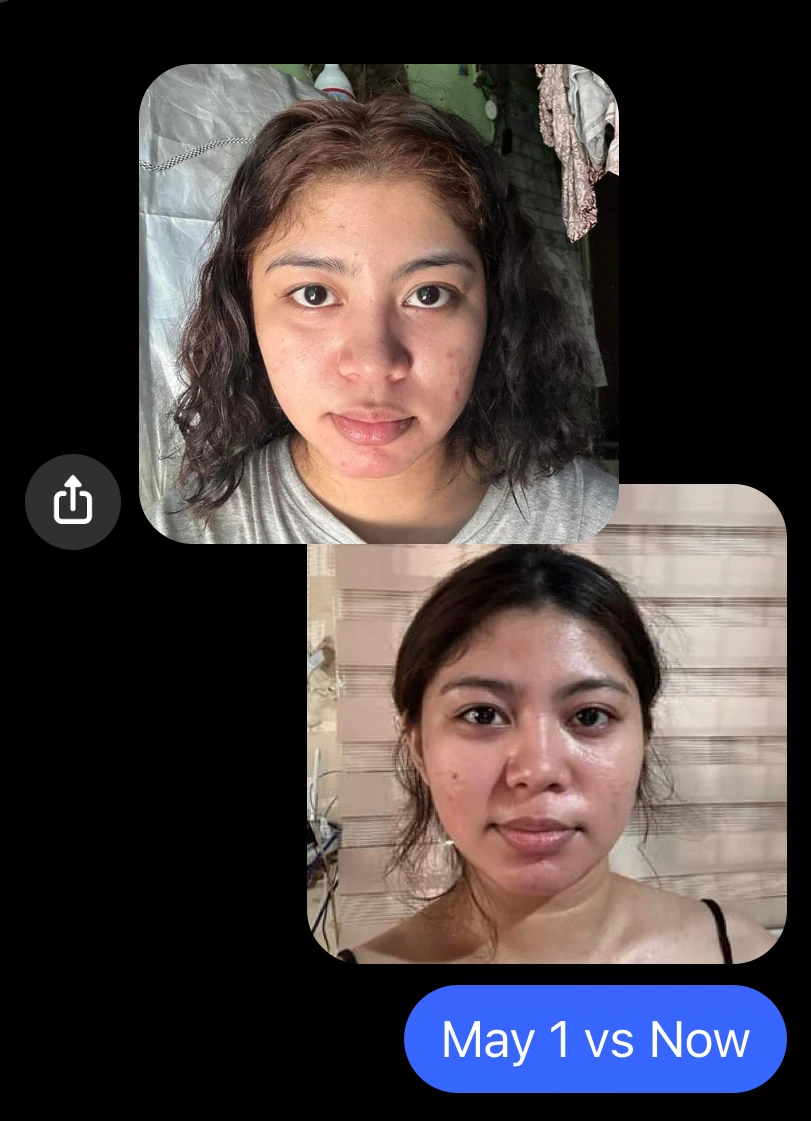
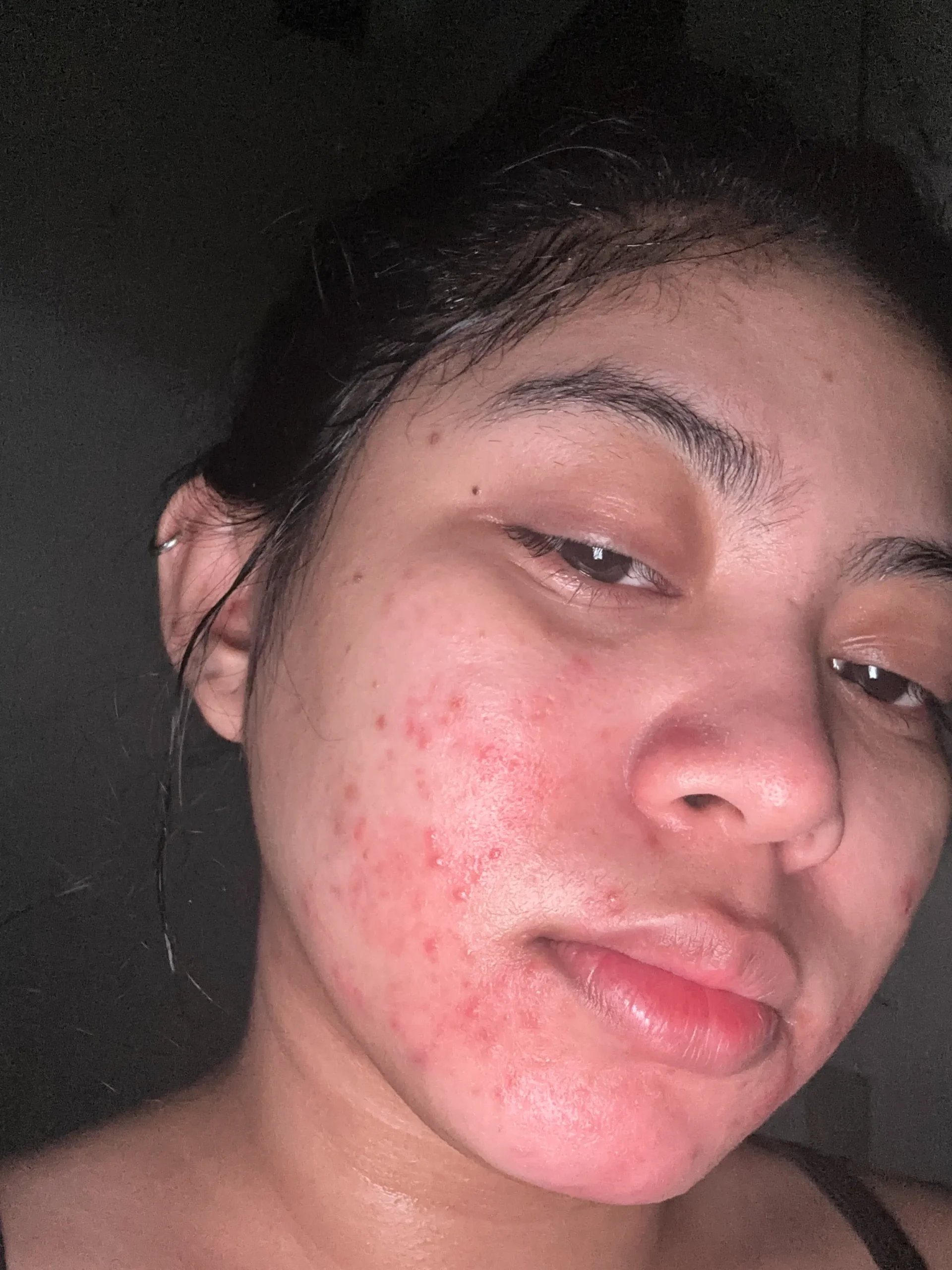
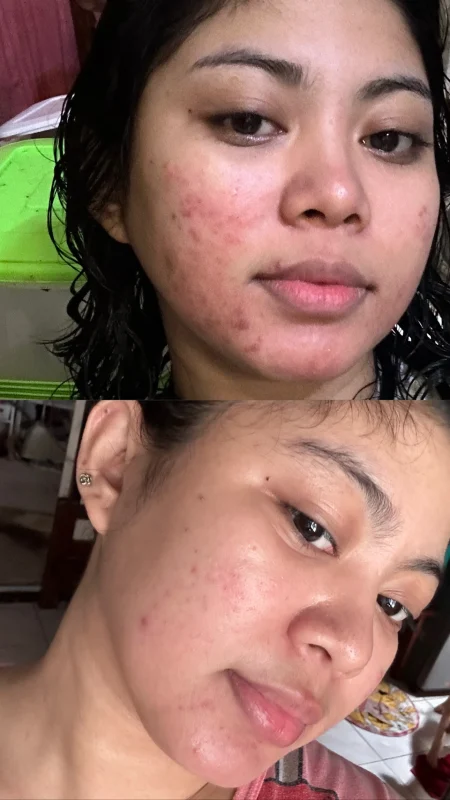
When Your Tried-and-Tested Skincare Products Stop Working
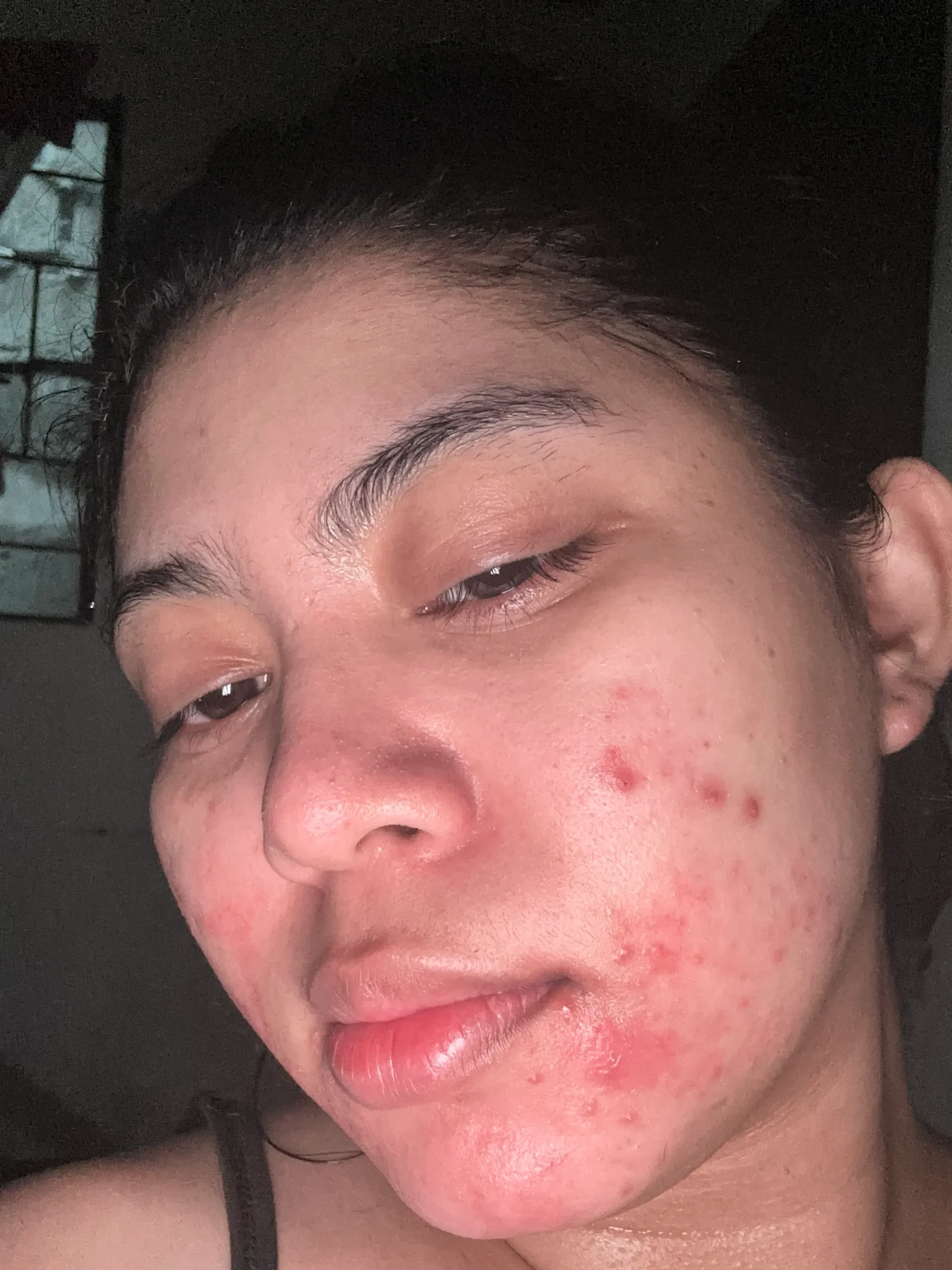
Back in the Philippines, Chelsea had spent two to three years working with a dermatologist to get her acne-prone skin under control. It worked. Her morning routine was solid: sulfur soap, cleanser, toner, serum, moisturizer, sunscreen. The evening skincare routine included a prescription treatment gel. Her skin was clear and stable.
Within weeks of arriving in the UAE, the breakouts returned. Her texture worsened. Products that had been working for years felt either too stripping or too heavy, nothing sat right on her skin anymore.
This is one of the most common complaints from expat women and their skincare in Dubai and Abu Dhabi. The hard water in the UAE has a high mineral content that disrupts the skin barrier over time. Combined with constant humidity swings, bone dry indoors, humid coastal heat outdoors, the skin struggles to regulate itself. Skincare products that worked in Southeast Asia, Europe, or South Asia often need a complete review.
The Current Skincare Routine UAE Expat Actually Uses
Morning skincare products
- CeraVe Foaming Facial Cleanser
- La Roche-Posay Moisturizer
- Beauty of Joseon Relief Sun SPF 50+
- Makeup (required for her office environment)
The switch to a gel cleanser was deliberate, she needed something that removed sweat, pollution and makeup without over-drying. CeraVe’s foaming formula maintains the skin’s ceramide barrier, which is essential when you’re losing moisture to AC all day. La Roche-Posay as her moisturizer makes sense too: it’s a brand built around sensitive, reactive skin and is widely available across UAE pharmacies.
Evening skincare products
- Beauty of Joseon Glow Cleansing Balm (oil-based first cleanse)
- CeraVe Foaming Facial Cleanser (water-based second cleanse)
- Pyunkang Yul Moisture Toner
- Moisturizer
- La Roche-Posay Cicaplast Baume B5 (barrier repair)
- 1–2x weekly: face masks, targeted treatments
The double cleanse is non-negotiable in the UAE. SPF + makeup + pollution + sweat creates a residue that a single wash won’t fully clear. Chelsea calls the cleansing balm her holy grail, and based on the formulation, that tracks. Oil-based cleansers dissolve sunscreen and long-wear makeup far more effectively than foam alone. The Cicaplast Baume at the end is smart: it’s a fragrance-free barrier repair product, exactly what skin needs after a full day of environmental assault.
Sunscreen Is A Different Game Entirely
Chelsea used cream sunscreens back in the Philippines. In the UAE, she’s migrating toward gel-based formulas, and she’s right to. Cream textures can feel occlusive and heavy in 45°C heat, pill under makeup, and sit uncomfortably on congested skin. Gel and fluid SPFs absorb faster, feel lighter, and are less likely to break down mid-commute.
For UAE residents, SPF 50+ broad-spectrum coverage is the baseline, not a recommendation, a requirement.
The UV index here routinely hits 10–12 in summer months, which is classified as ‘extreme’. Chelsea applies every morning; for anyone spending extended time outdoors between 10am and 4pm, reapplication every two hours is the standard dermatologist guidance.
She adjusts her entire routine between UAE summer and winter. In summer, skin feels oily and overwhelmed. In the cooler months (December to February), it feels tight and dehydrated. The idea of a single routine using the same skincare products year-round doesn’t work in a climate this extreme, and the fact that she’s already figured this out less than a year in is ahead of the curve.
The Hair Situation: Curls, Dandruff, and Let’s Start Again
Chelsea has 2C–3A curly hair and followed the Curly Girl Method back home. Her pre-UAE haircare routine was thorough: clarifying shampoo, hydrating conditioner, hair mask, curl cream, leave-in, gel. She washed her hair 3–4 times a week.
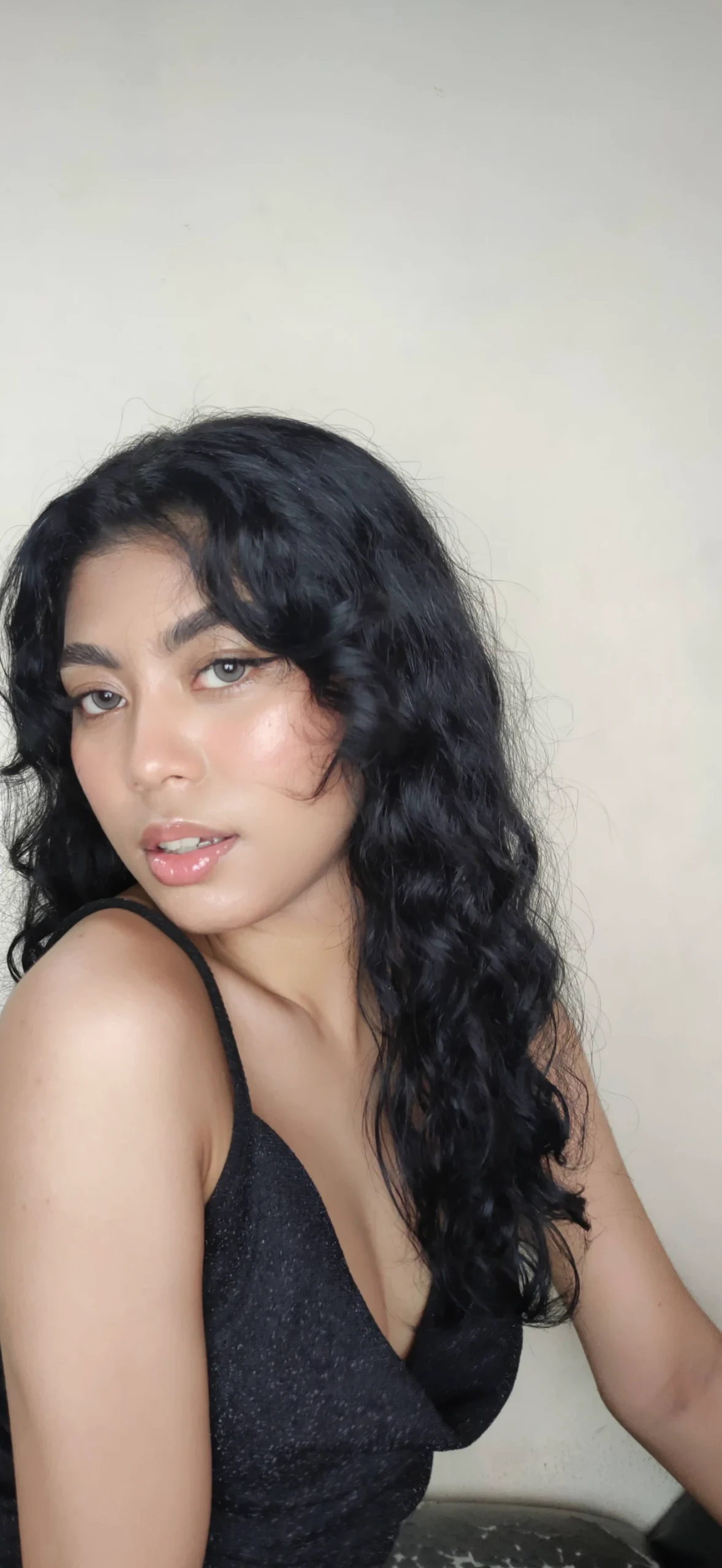
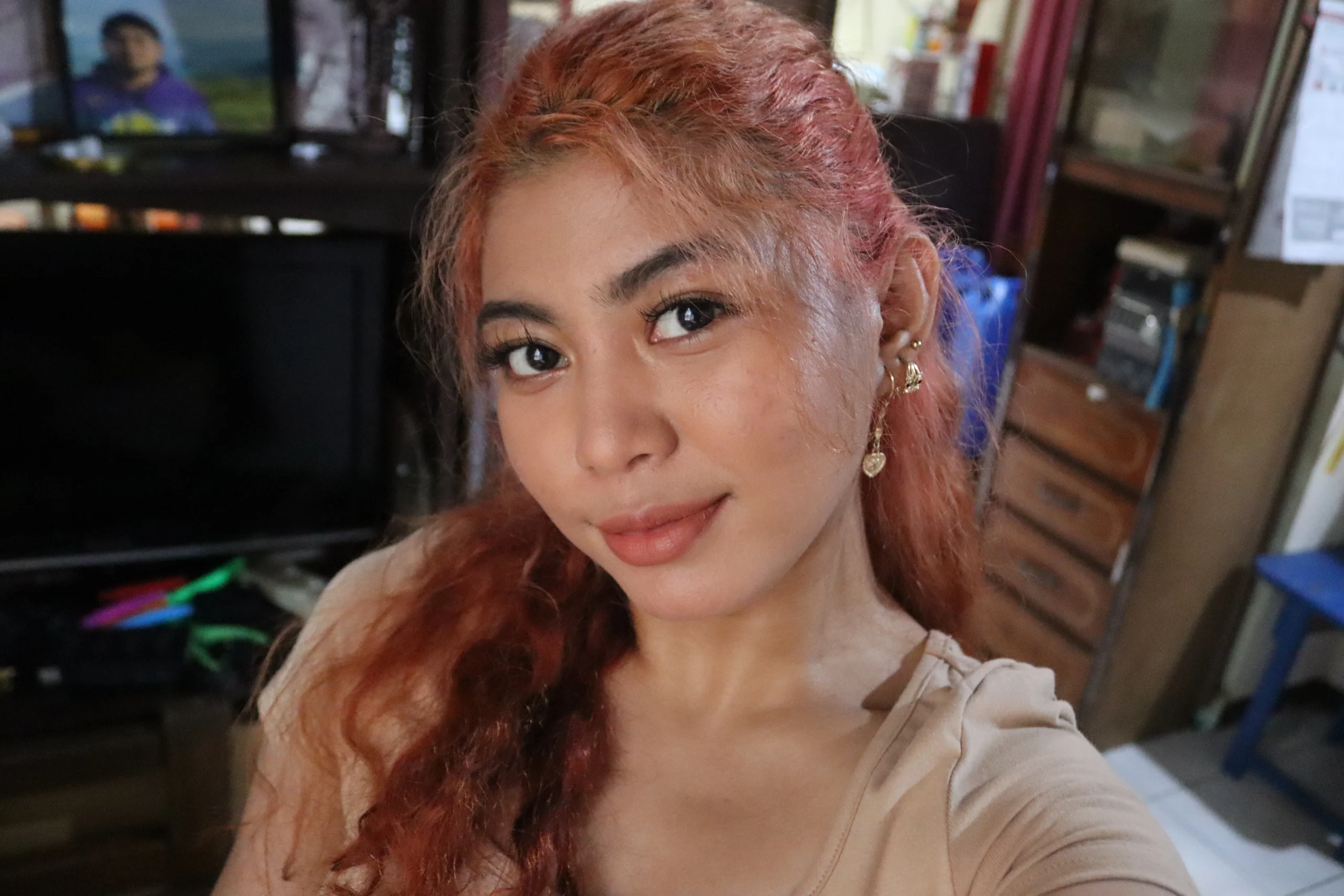
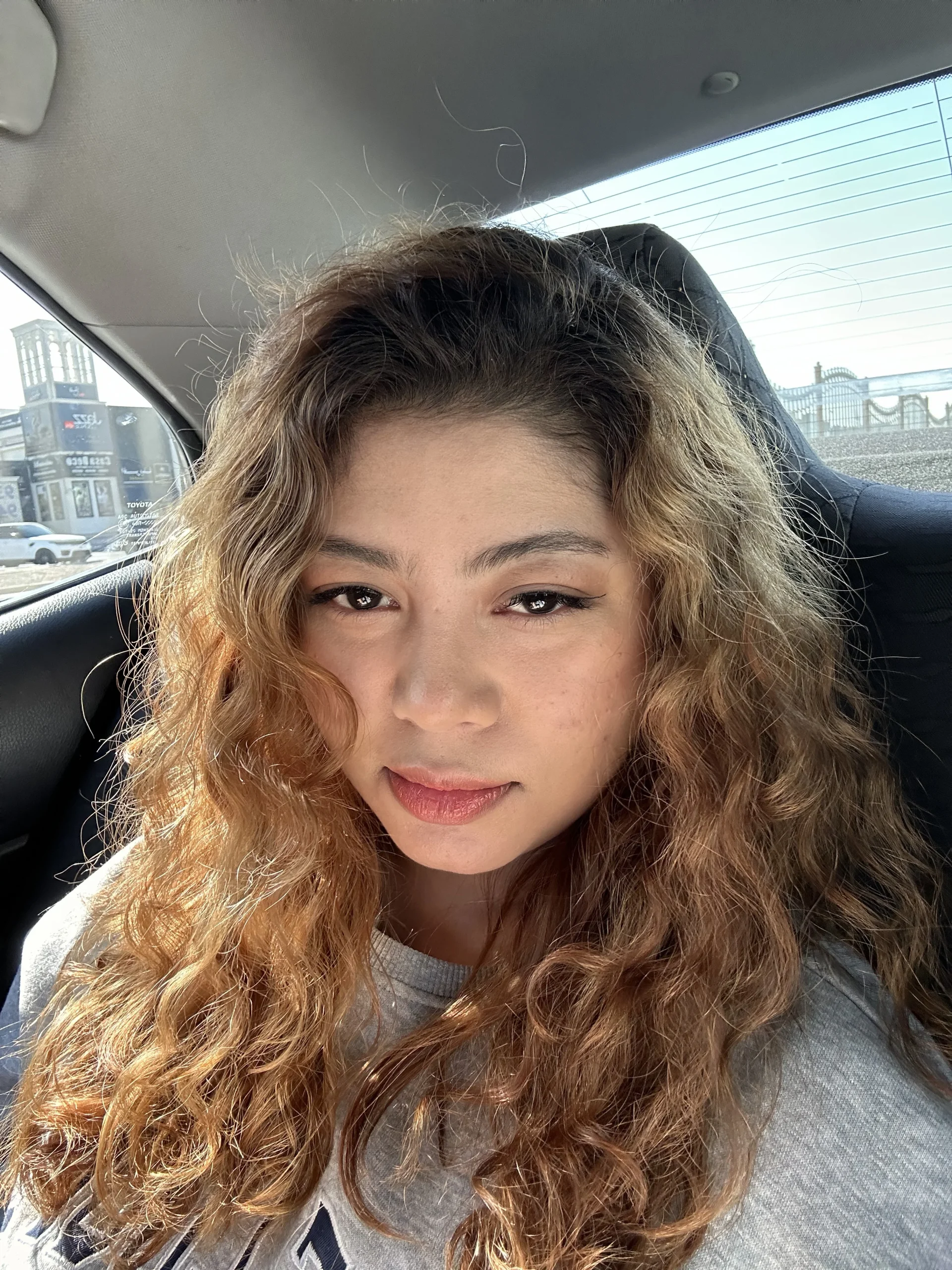
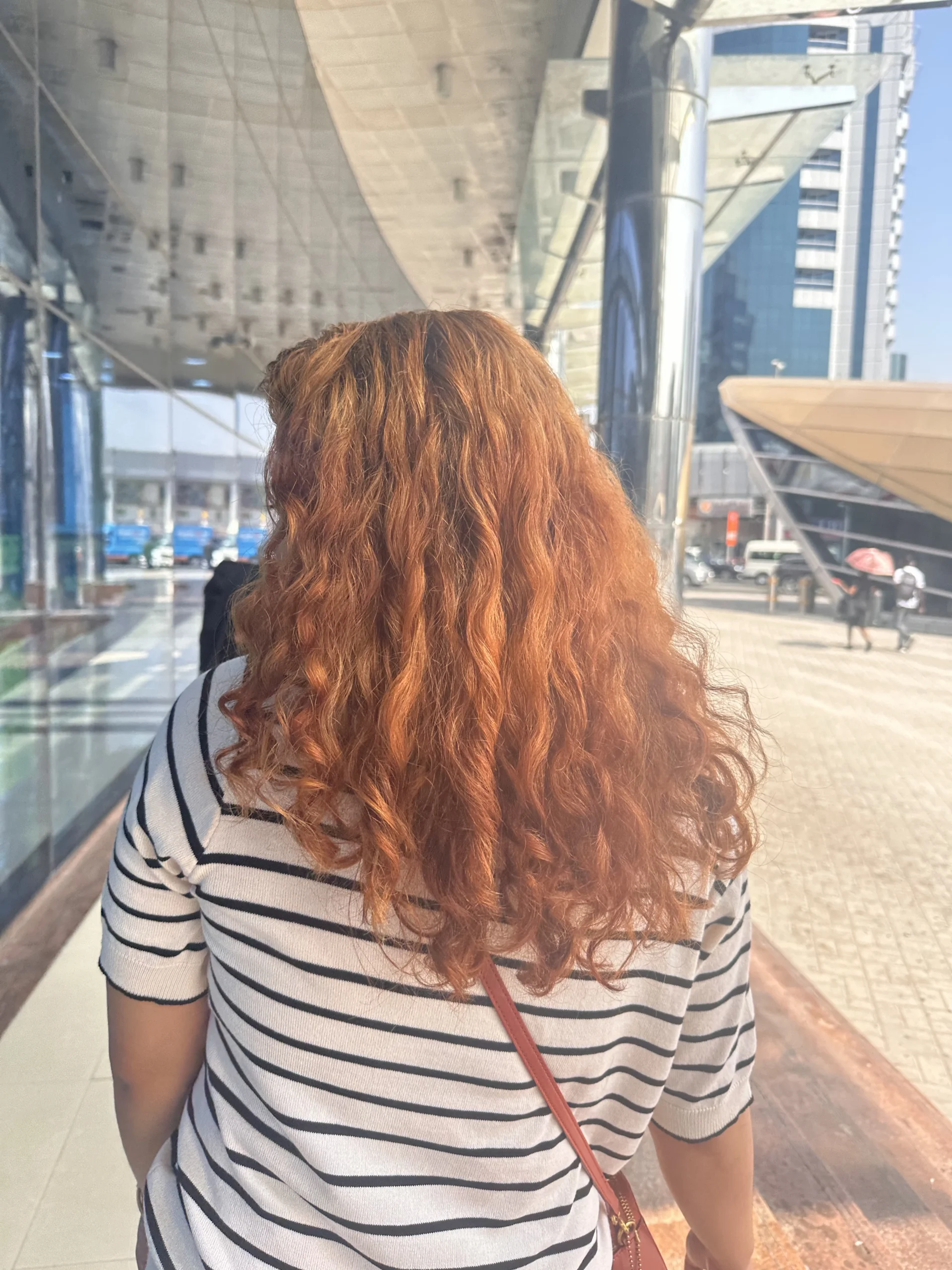
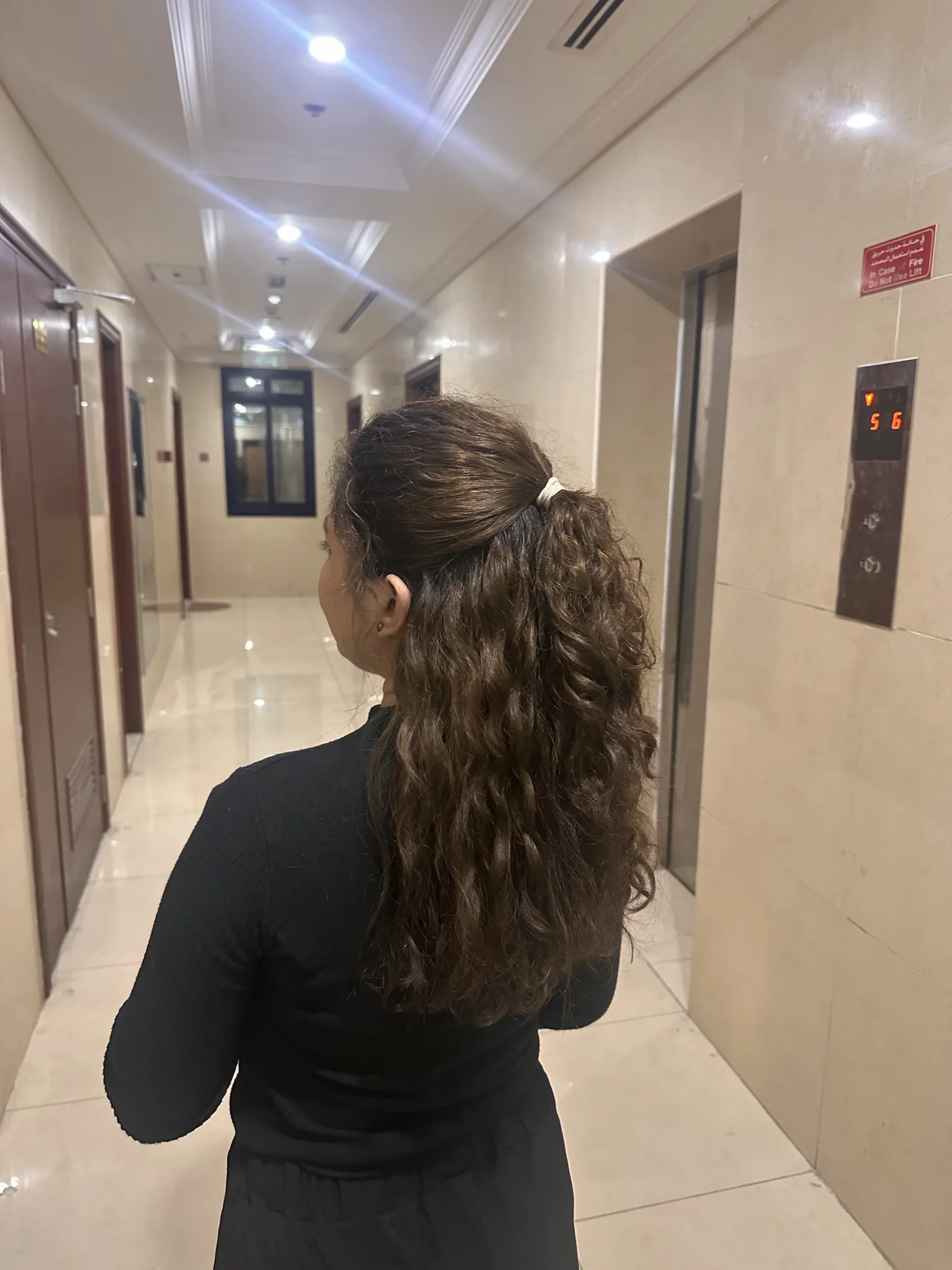
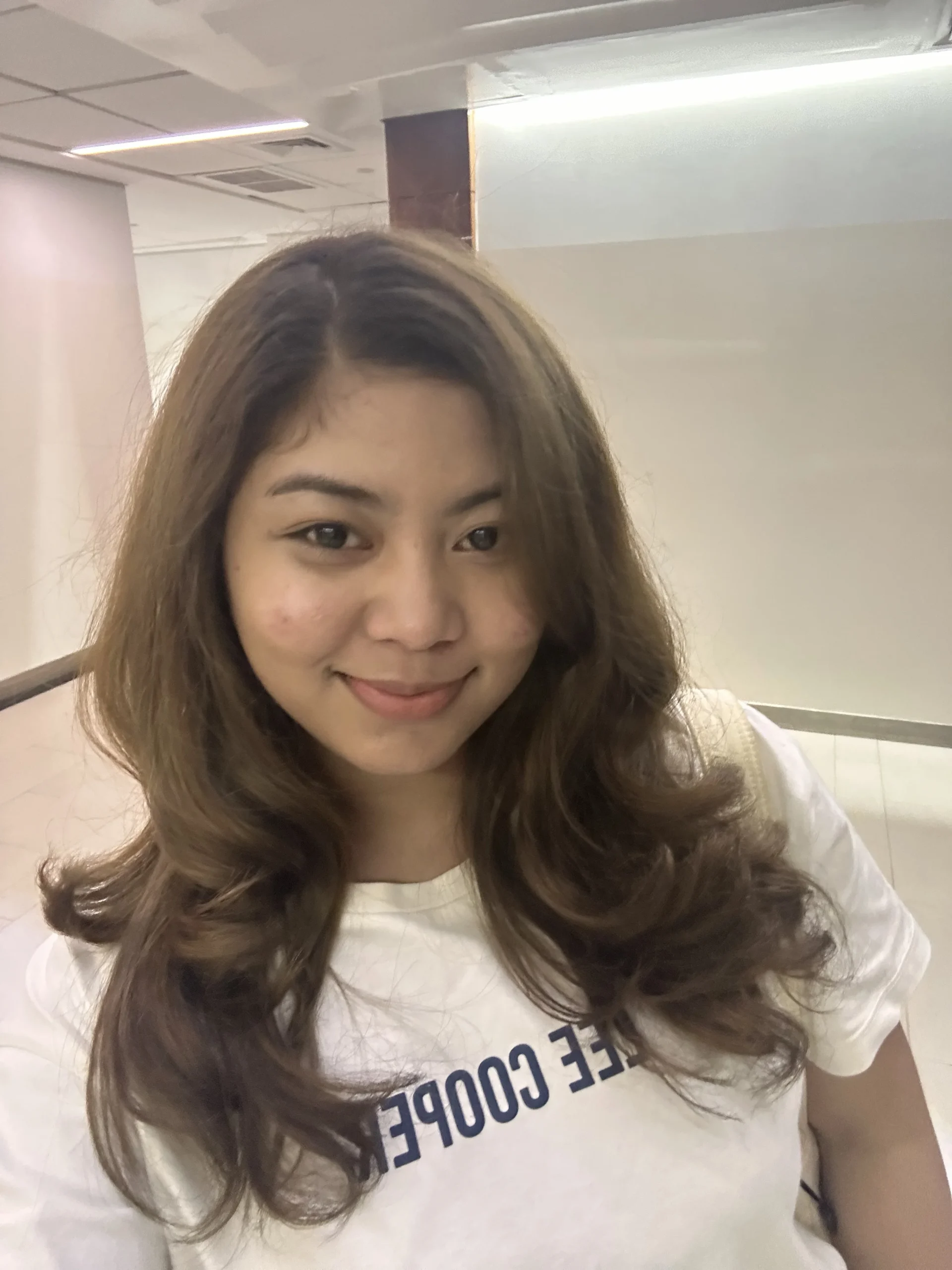
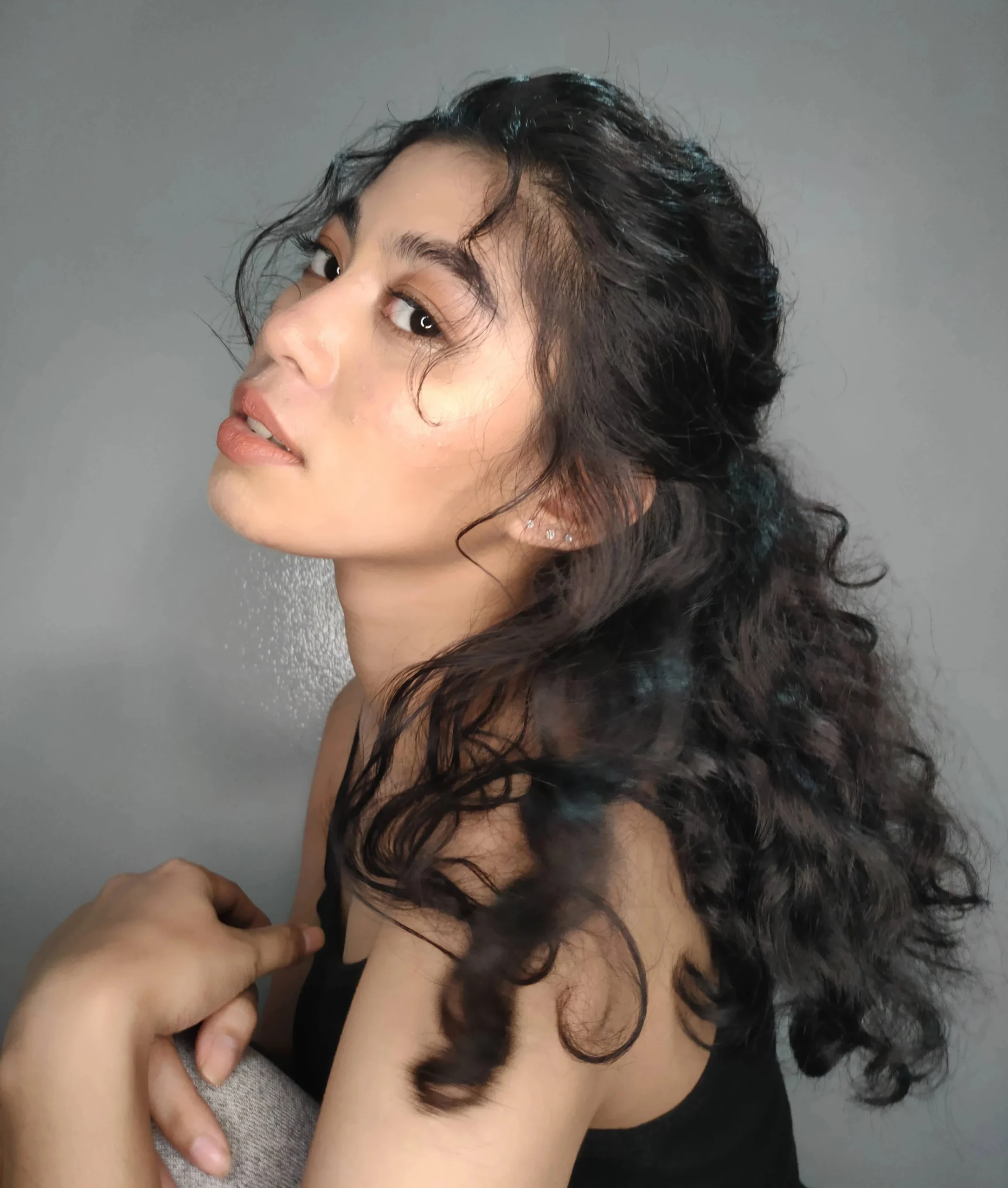
One look at Chelsea’s camera roll tells you something the hair stats don’t: this is a lady who genuinely loves her hair. Black waves, copper balayage, auburn curls, blonde highlights, she has cycled through colours and cuts with the enthusiasm of someone who treats hair as a creative outlet; she does not do just maintenance. And this makes the UAE’s toll on her strands hit differently. When you are someone who invests in your hair, emotionally and financially, watching it become dry, brittle, and unpredictable feels like a loss.
After the move, her hair became drier, frizzier, and more prone to breakage. Hair fall increased significantly. She developed scalp dandruff and persistent itchiness, conditions she had never experienced before. She also noticed new white hairs appearing, which she links to the stress of relocation.
Hard water is the primary culprit. The UAE’s tap water contains high levels of calcium and magnesium that coat the hair shaft, block moisture penetration, and leave a mineral film that makes curls dull, brittle and prone to tangling. It’s one of the most-searched haircare problems among UAE expats; ‘hair fall Dubai’, ‘hair loss UAE’, ‘scalp problems expat UAE’, ‘hard water hair damage’; and it’s a documented, physiological issue, not just perception.
If you are experiencing hair loss in the UAE, I have put together a dedicated guide that covers the causes, the most effective ingredients and treatments, and what actually works in this climate. You can download “The Dubai Guide For Hair Loss. A Guide For Every Expat In The Middle East” here.
Her Current Haircare Products
- L’Oréal Paris Elvive Purifying Shampoo (addresses dandruff and scalp build-up)
- L’Oréal Paris Elvive Conditioner (detangling focus)
- Cantu Shea Butter Curl Activator Cream
- L’Oréal Leave-In Conditioner
- Hair serum
- Scrunch method, air-dried
She’s dropped oils from her routine entirely, a notable pivot from her previous CGM approach. Her logic: when the scalp is reactive and the hair is coated in mineral deposits, adding oils can worsen build-up. She’s shifted focus to deep conditioning and leave-in moisture instead, which is the right call while the hair is in a recovery phase.
For sun protection, she keeps it simple: tie it up or cover it when outdoors. UV radiation is one of the primary causes of hair protein degradation, it breaks down keratin, fades colour and weakens the cuticle. Physical protection is genuinely one of the most effective things you can do for hair health in this climate.

Where to Buy Skincare and What It Costs
Chelsea shops primarily from Amazon UAE and Life Pharmacy, two of the most accessible points of entry for skincare in the UAE, particularly for K-beauty and international drugstore brands. She doesn’t operate on a fixed monthly budget but follows a use-it-up-before-buying principle. Every two to three months she spends approximately 400 AED on skincare and 300 AED on haircare, around 2,800 AED per year combined.
She’s eyeing luxury haircare, specifically Kérastase, which is widely stocked in UAE salons and at Sephora, but self-imposes a 150 AED per product ceiling for now. For product discovery, she uses TikTok, Instagram, and ChatGPT for ingredient research. The latter is increasingly common among beauty-savvy consumers navigating ingredient lists across different markets.
The Biggest Beauty Lesson From Living in the UAE
“You cannot use the exact same routine from your home country and expect it to work. Climate changes everything. Water quality changes everything. AC exposure changes everything. Your skin and hair need time to adjust, and you need patience.”
At the time we met for this interview, she was planning to visit a dermatologist in the UAE, something she found invaluable back in the Philippines. This is worth underscoring: online research and trial-and-error can only take you so far. A dermatologist based in the UAE will understand the environmental factors specific to this region, hard water, UV levels, and AC exposure, and can prescribe accordingly. For anyone dealing with persistent post-move breakouts, hair fall, or scalp conditions, professional consultation is the fastest route to resolution.
Her Advice for Women Who Just Moved to the UAE
Skincare:
- Know your skin type before swapping products. Moving countries changes your skin’s behaviour, not its type. The distinction matters for everything you buy.
- Listen to your skin. Tight? Add hydration. New breakout pattern? Look at what’s changed: water, products, stress.
- Don’t panic-layer. Piling on five new products when breaking out makes identifying the cause impossible. Strip back, stabilize, reintroduce slowly.
Haircare:
- Don’t heat-style while your hair is adjusting. Blow drying and straightening on already-stressed hair accelerates breakage.
- Don’t overdo treatments in the first few months. More product doesn’t mean more moisture when your hair hasn’t adapted to the water quality.
- Let your hair breathe. Simplify until your scalp and strands stabilise, then reintroduce your usual routine step by step.
“(…) give your skin and hair time to adjust. Simplify first. Observe. Be patient. It’s not always about doing more, sometimes accepting your natural texture and your natural skin is the real glow-up.”
SAND SKINCARE TALKS
A series featuring real women, real routines, and real talk about skincare and haircare in the UAE.
Sand Skincare Talks is an ongoing series on routine11.com. Every episode features a real expat woman sharing her honest beauty journey in the UAE, no sponsorships, no sponsored mentions, no filters.
Contact us if you want to share your story.
Disclosure: We received no compensation for this article. This content is solely based on an open and personal interview with Chelsea Cocjin.