Skincare for expats in the UAE is the reason this blog exists.
In this article
Greetings, dear readers. I hope this finds you well and glowing.
15 months ago, I left Europe for the Gulf, and within weeks, the skincare routine I had spent years perfecting quietly fell apart. My skin, usually so predictable, went dull, congested, and oily all at once.
So I am starting this diary of adaptation. A new climate, a new type of water, different kinds of ingredients, and a slow, honest rebuild of how I care for my skin and my hair in the Middle East.
If you have just landed here and feel as though your face belongs to a stranger, stay with me. You are not imagining it, and you are not alone.
How the weather in the UAE impacts your skin in the first 8 weeks
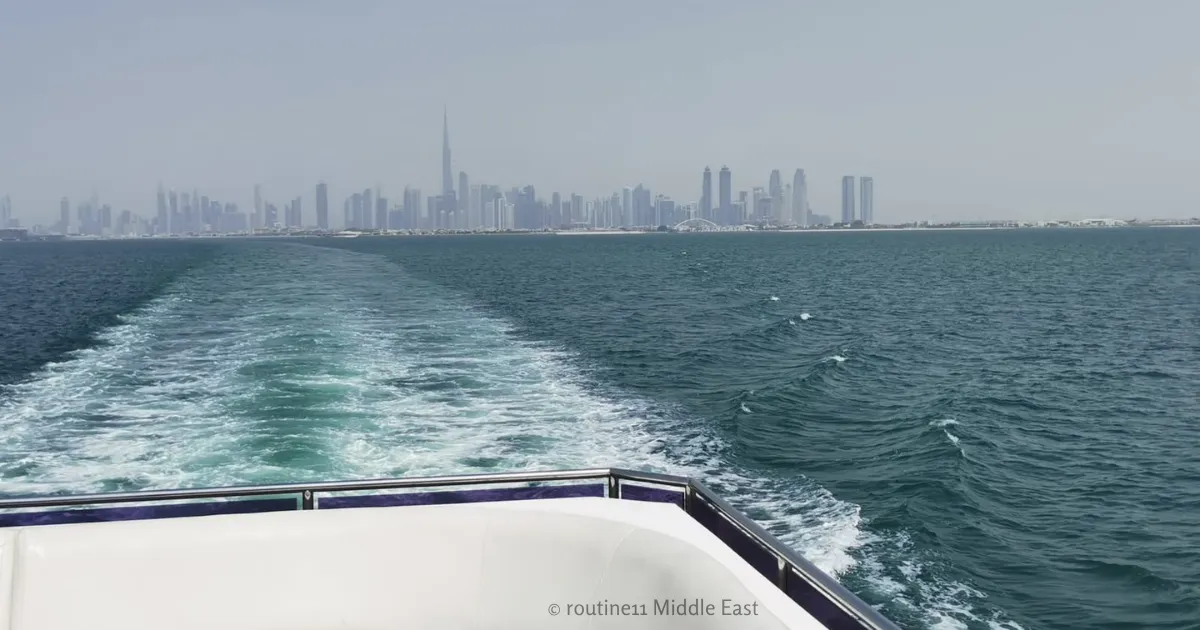
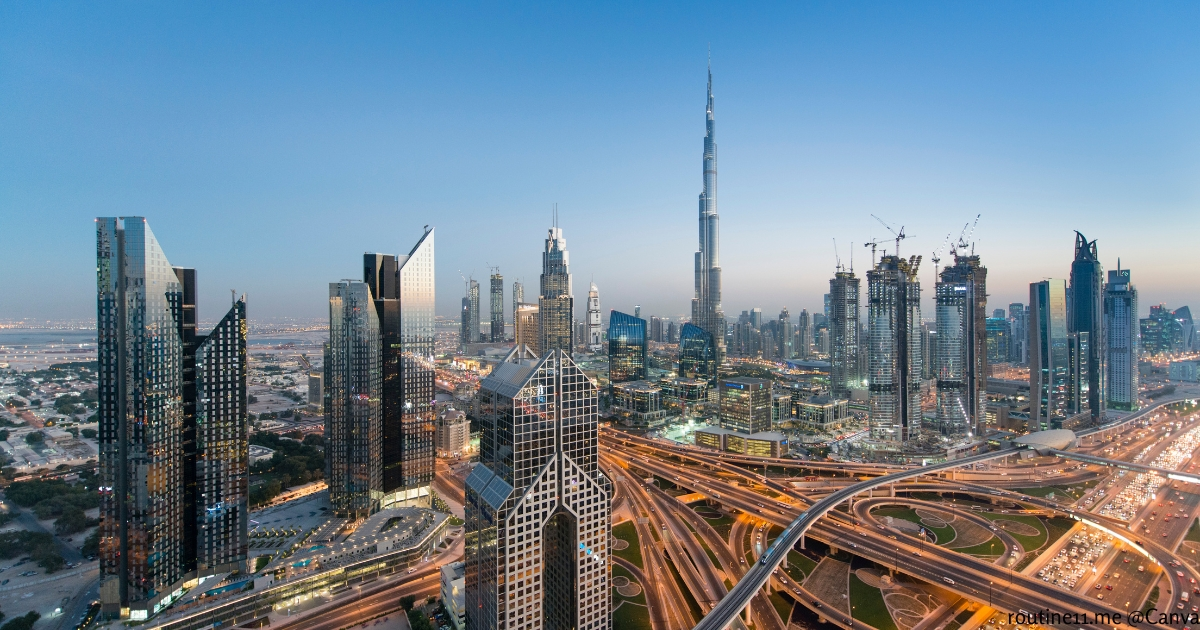
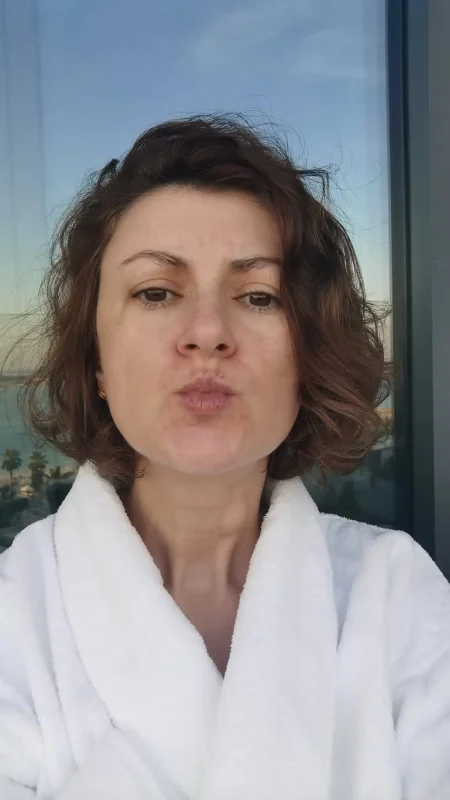
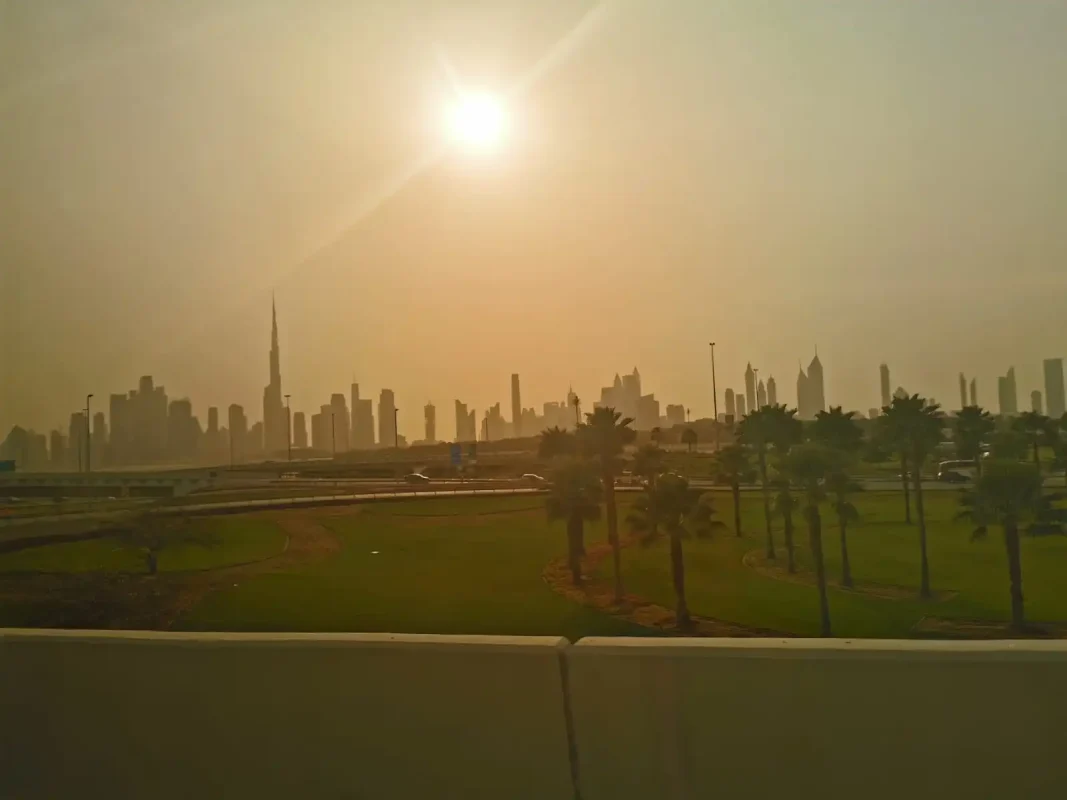
The weather in the UAE rearranges your skin faster than you expect, usually within the first 2 months.
Heat drives the oil glands into overdrive while the dry air pulls moisture straight off the surface, so skin can look shiny and feel parched on the same afternoon. Mine did precisely that. Congestion arrived first, then a strange, dehydrated dullness sitting underneath it.
Then there is the part no one prepares you for: air conditioning. We flee the heat indoors, but cool, conditioned air is aggressively dry, and most of us spend 15 or more hours a day inside it, at home, in the car, at the office. The result is skin caught between desert heat outside and desert-dry air within, losing water on both fronts.
The second part no one prepares you for is humidity, which is not evenly distributed. Near the coast, across much of Dubai and Abu Dhabi, the summer air is heavy and sticky, trapping sweat and sunscreen against the skin. Travel inland, and it swings dry again. Our skin is asked to cope with both extremes, sometimes on the same day.
The sun is the factor that newcomers underestimate most. In Dubai, the UV index routinely reaches 11 or 12 between April and October, the “extreme” band of the international scale, and dermatologists across the Emirates recommend a broad-spectrum SPF 50+ as a daily minimum rather than a summer indulgence.
Unprotected skin can burn in little more than 10 minutes at that intensity, and the glare bouncing off sand, glass, and pale pavements only compounds it.
None of this makes beautiful skin impossible here.
For me, it was clear that the rules had changed, and I had to learn them again from scratch.
Skincare for expats in the UAE must mind the hard water
Hard water is the villain no one warns you about. Nearly all tap water in the UAE comes from desalinated seawater that is re-mineralized before it reaches your taps, and it carries a high level of calcium and magnesium.
In Dubai, hardness commonly measures between 120 and 200 mg/L, placing it squarely in the hard to very hard range.
Here is what those minerals actually do. They react with the surfactants in our cleanser and shampoo to form a fine, insoluble film, the same soap scum that clings to our shower glass.
On our skin, that film disrupts the acid mantle, blocks our moisturizer from sinking in, and leaves us tight and dry moments after we have hydrated.
On hair, it coats the strand, flattens the color, and roughens the feel. Research published in the Journal of Investigative Dermatology has linked hard-water exposure to worsened eczema and a weakened barrier, which is precisely why so many expats who arrived with clear skin start breaking out within weeks.
My sensitive, oily, acne-prone skin took the whole thing personally. The itchiness and the breakouts were new, stubborn, and for far too long, I blamed every product except the water.
I arrived with a routine I trusted completely. The UAE handed it back to me in pieces and asked me to start again.
Desert dust and why I now cleanse twice a day
Living in the Middle East means living with fine dust, and, yes, it settles on our skin all day long. Those fine sand particles blend with sweat, sunscreen, and the “daily oil production”, then lodge in our pores and say hello to irritation.
This is the one habit I will not skip: a proper cleanse morning and night, with a gentle second cleanse in the evening to lift away SPF, the little makeup that I have, and whatever the wind delivered.
I sometimes feel social media and the internet somehow oversell this ritual. Double cleansing is not about scrubbing our face raw. Use soft tools and high-quality oils or micellar water to dissolve sunscreen and dust, followed by a water-based wash to leave the skin clean, not stripped.
The weather in the UAE does not tolerate a harsh, squeaky foaming cleanser because that “squeaky clean” feeling is simply the sound of our skin barrier being scrubbed away.
Rebuilding a skincare routine in the UAE when your cult-beauty shelf disappears
For me, the hardest adjustment was emotional. I had spent years curating a routine of independent, ethical, clean skincare brands back home, and here, much of it was simply not on offer. Dubai offers a different range, and the names that I trusted were either unavailable, marked up, or subject to long shipping times and customs fees.
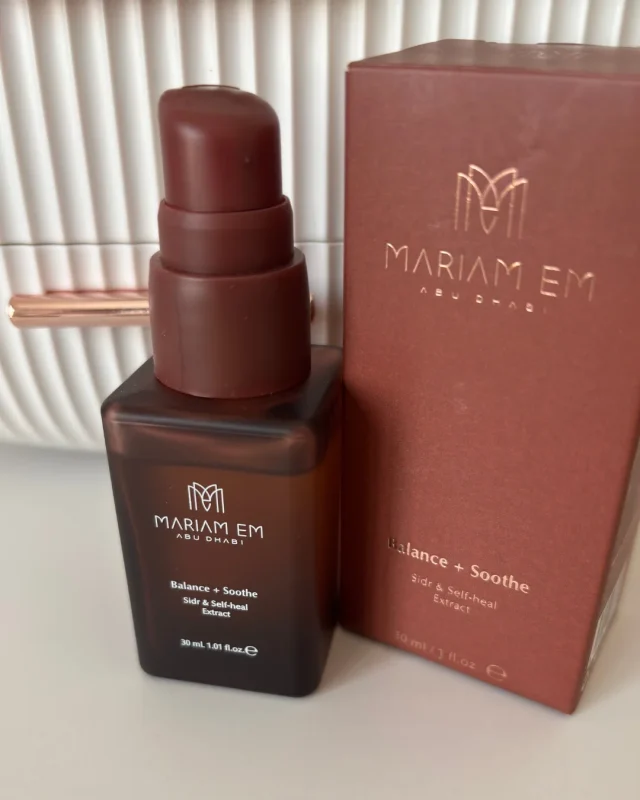
So I did the thing I did not want to do and kept posting it since relocating. I started again with what surrounds me. I leaned into made-in-UAE and regional brands built for exactly this environment, formulated with heritage ingredients like sidr, frankincense, myrrh, and desert botanicals that have cared for skin in this part of the world for centuries.
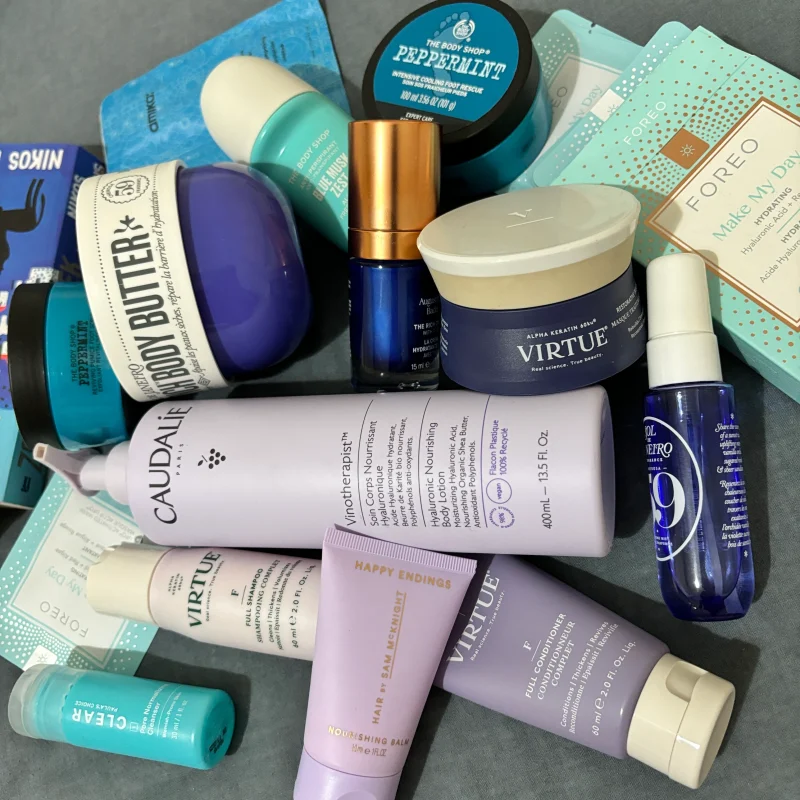
Not every experiment was kind to me. My skin, as is its habit, met a few new formulas with irritation before it settled on the ones it liked.
One caution I wish someone had handed me sooner: be careful where you buy, especially Korean and niche skincare. Counterfeits move freely on some of the large regional marketplaces, and a fake active formula on already-stressed skin is a genuine setback, not a bargain. I stick to official brand stores, Sephora Middle East, reputable pharmacies, and the brands’ own boutiques, and I treat a suspiciously cheap “cult” product as the warning it usually is.
The beauty routine I am building now
The updated skincare and haircare routines that are working for me at the moment rest on 4 quiet commitments:
- First, the Vitamin C and SPF 50+ duo every morning without negotiation, and the SPF is reapplied throughout the day.
- Second, the oil, followed by the water cleanser combination, every evening.
- Third, a barrier-first approach, which for me means ceramides, glycerin, and niacinamide to rebuild what the heat, air conditioning, and hard water keep taking apart.
- Fourth, patience, because my reactive skin wants slow introductions.
In practice, it is unfussy. I’m winning time in the morning. Evenings are the double cleanse to lift the day away, a treatment step only when my skin is calm enough to accept one, and something richer and reparative to seal in moisture while I sleep. Twice a week, I add a mask: clay when I am congested, something hydrating when I feel the air conditioning is winning.
My hair gets the same respect. Hard water leaves a mineral buildup that dulls and stiffens the strand, so I wash my hair every 5 days now, and I use a richer conditioning mask. It is unglamorous work. It is also the line between skin and hair that merely cope here, and skin and hair that genuinely thrive.
I am not surrendering my standards. I am rewriting them for a hotter, brighter, harder-watered life, and as I go, chasing down the most local and most honest ingredients I can find.
That, in a single sentence, is the whole reason for routine11 Middle East.
FAQ: skincare for expats in the UAE
How is a skincare routine in the UAE different from a European one?
A skincare routine in the UAE needs stronger daily sun protection, gentler cleansing, and a real focus on repairing the skin barrier against heat, air conditioning and hard water. Lightweight, barrier-supporting formulas usually outperform the rich creams that served you well in cooler, softer-water climates.
Does hard water in the UAE really affect your skin?
Yes. The tap water is desalinated and mineral-rich, commonly measuring 120 to 200 mg/L in Dubai. Those minerals form a film that disrupts the skin barrier, blocks moisturizer from absorbing, and triggers dryness and breakouts, especially in sensitive or acne-prone skin.
What SPF should you wear in the UAE?
Dermatologists across the Emirates recommend a broad-spectrum SPF 50+ as a daily minimum, as the UV index regularly reaches the extreme range of 11 to 12 from April to October. Reapply roughly every two hours whenever you are outdoors.
Why is my skin breaking out since moving to the UAE?
New breakouts after arriving are common, and they usually trace back to a combination of hard water, heavier sweating, and oil in the heat, dust settling into pores, and switching to unfamiliar products all at once. Simplify your routine, cleanse gently but thoroughly, and give your barrier a few weeks to adjust before you judge any single product.
The Founder
If you are an expat in the Middle East facing skin concerns and want to share your story, send us a message at contact@routine11.com