Heritage ingredients are what women in the Emirates have been using on their skin and hair for generations, long before the big international brands filled the malls here. When I arrived in Dubai with oily, acne-prone skin and fragile hair and found that half of my usual products simply weren’t sold here, these were the ingredients I started looking into.
In this article
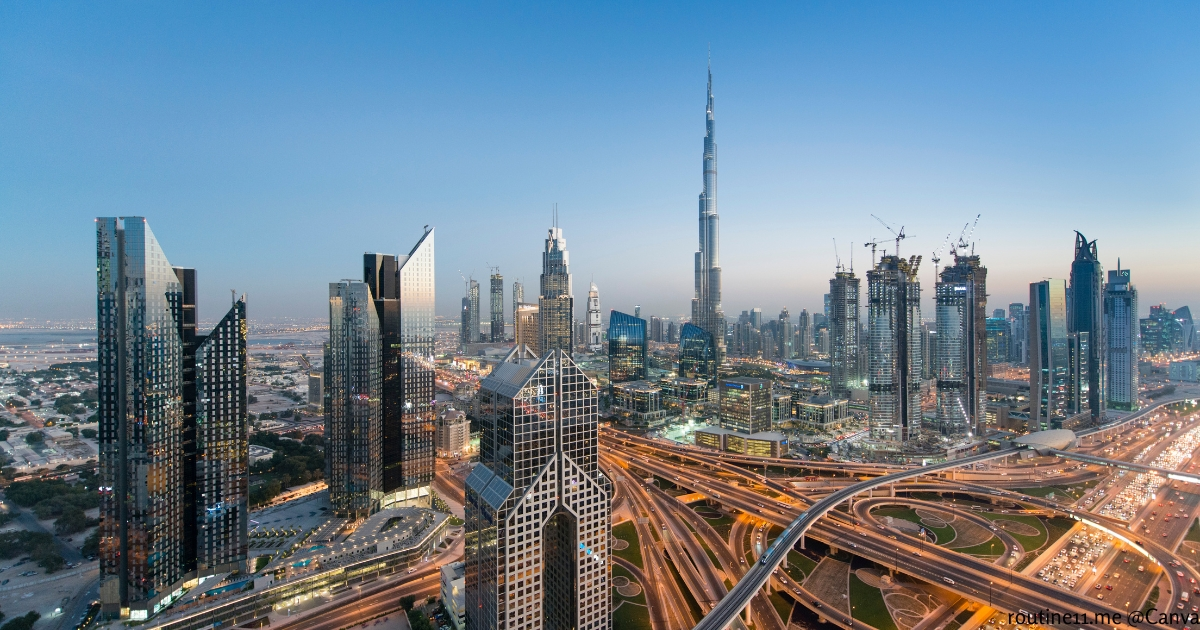
Dubai is an experience like no other, a city where the past and future blend seamlessly. Dubai offers both cultural heritage and unconventional modernity.
Updating my skincare routine with the heritage ingredients I discovered in the UAE

As a skincare-obsessed person who recently moved here, I’ve been in awe of Dubai’s vibrant, fast-paced life. But as magical as Dubai is, its extreme weather conditions seriously challenge my oily skin and fragile hair. In the Emirates, the combination of scorching heat, intense humidity, and dry air-conditioned environments impacts even the most resilient skin.
As an expat with an extremely carefully curated skincare routine to care for my oily, acne-prone skin, I knew I had to rethink my skincare routine when more than half of the brands I moved in were not existing online or in stores, and what better way than to tap into the natural, heritage ingredients that have been trusted for centuries in this region?
One of the first things you notice as a newcomer in the Emirates is the overwhelming heat. Temperatures soar to over 45°C during the summer, and the sun’s intense rays leave your skin vulnerable to damage, excess oil production, and dehydration. Add to that the constant exposure to air conditioning indoors, and you have a recipe for skin imbalance.
My usual go-to products just weren’t cutting it; the brands I wanted were hard to get (I know it sounds impossible; it is Dubai, and you say to yourself: “Everything is there”; well, no, it’s not). So, I decided to explore the local scene and its heritage ingredients and shop for skincare brands that focus on the UAE and the broader MENA region.
What Dubai’s expat women taught me about skincare in this climate
One of the fascinating aspects of life in Dubai is the rich blend of cultures that coexist here. As expats from every corner of the world arrive, they also bring their beauty routines. Women from Europe, Asia, and the Americas swap stories about their skincare routines, each lamenting how they can’t find their favorite products locally or how the harsh Dubai water is transforming their skin and weakening their hair.
It’s a common scenario: a French woman accustomed to the gentle, hydrating formulas of Paris suddenly struggles with breakouts due to the heat, while a Korean expat who swears by her multi-step routine can enjoy her life and skincare routine with no harm done, as the UAE offers plenty from the exact sheet masks she used back home. Then there’s the British expat, dealing with sun damage that’s far more intense than the gentle sun she was used to.
These challenges create a unique beauty community where every woman adapts and learns from one another. Here in Dubai, Arabic beauty heritage blends seamlessly with Korean skincare principles and Western beauty routines, creating a truly global beauty scene. This convergence of beauty philosophies has inspired me to think more critically about how ingredients are sourced and adapted to meet our needs.
12 heritage ingredients in the UAE and MENA region

The Middle East has a rich history when it comes to beauty rituals, and its natural heritage ingredients are the cornerstone of many effective skincare formulas. It wasn’t hard to find a few heritage ingredients on Google, but most of them were highlighted or recommended by all the women I’ve connected with in the Emirates.
Here are a few ingredients I was excited to learn about:
Aker Fassi: A vibrant red powder derived from poppy petals and pomegranate peel that I have never used before. Aker Fassi is known for its anti-inflammatory and antioxidant properties. It’s perfect for reducing redness and calming acne-prone skin. Izil Beauty uses it with trust to create compelling products, and I genuinely love this red shade of Aker Fassi on my lips. Originating from the MENA region (Morocco).
Sidr: A type of tree native to the Arabian Peninsula, Sidr leaves, which I have never even heard of, have long been used to cleanse and purify the skin. Apparently, I’m lucky, as it’s traditionally used in products dedicated to those with oily or combination skin like mine. Abu Dhabi’s Department of Health says many bioactivity studies exist, but the exact therapeutic benefits aren’t well established. Sourced locally in the UAE.
Camel Milk: Rich in vitamins, proteins, and natural alpha-hydroxy acids (AHAs) that help exfoliate and hydrate the skin, camel milk is also known as the “white gold of the desert.” Its unique composition makes it excellent for sensitive and dry skin, helping to balance and nourish even in the harshest environments. Sourced locally in the UAE.
Argan Oil: We also know it as “liquid gold.” A Moroccan product renowned for its moisturizing properties. It’s an excellent option for keeping the skin hydrated without clogging pores. Originating from the MENA region (Morocco).
Olive Oil: An ancient beauty secret rich in antioxidants. This PMC NIH article reviews olive oil’s long history in skin and wound care. In the UAE, you can find olive oil from Syria and Palestine.
Frankincense & Myrrh: These two resins are used in skincare products for their anti-inflammatory and healing properties. Frankincense is praised for its ability to reduce the appearance of fine lines and wrinkles, making it a favorite for anti-aging formulations. I really love the texture delivered by Juve Frankincense and Myrrh Face Oil. Frankincense comes from Boswellia trees growing in Oman, Yemen, Somalia, Ethiopia, and India. You can buy it in UAE souks.
Oud: A luxurious oil that has been part of the Middle East’s beauty and fragrance heritage for centuries. It comes from Aquilaria trees in Southeast Asia, India, and Bangladesh, and it reached the Gulf through trade. I also found nothing supporting any skincare claims. Oud is a fragrance material.

Laurel Berry Oil: This ancient oil, popular in Levantine countries, is known for its antimicrobial and anti-inflammatory benefits. It’s perfect for soothing irritated skin which is prone to acne. In The National, Aleppo soap makers explain that the laurel oil is pressed from the tree’s fruit and used to purify the skin. Originating from the MENA region (Syria).
Beeswax & Brown Sugar: Traditionally used in balms and scrubs, beeswax locks in moisture, while sugar acts as a natural exfoliant. They are staples in body care rituals across the region.
Honey: Rich in antioxidants, honey is a natural humectant that draws moisture into the skin, making it perfect for dry or irritated skin. It also has antibacterial properties, which can help prevent and treat acne, making it an ideal ingredient for a balanced skincare routine in Dubai’s challenging climate. Sourced locally in the UAE.
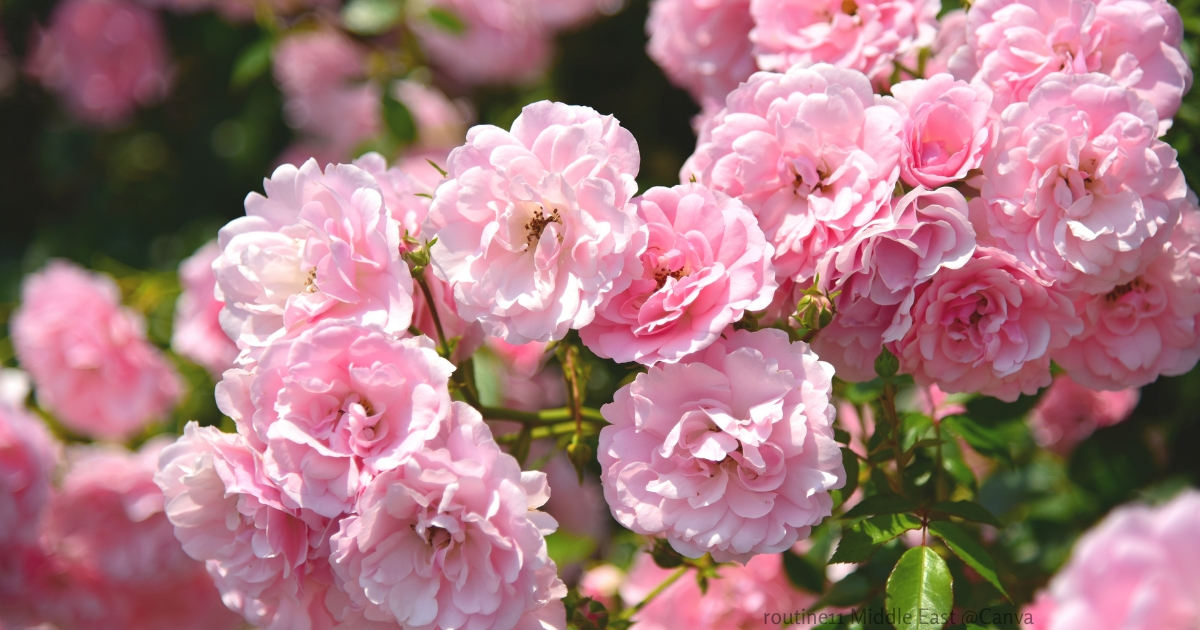
Rose Oil: Rose oil, particularly Damask rose, has long been used in Middle Eastern beauty regimes. Its calming and hydrating properties make it ideal for sensitive skin, leaving behind a soft, luxurious glow. Just as famous as oil, rose water is highly praised for its properties and is used across the Middle East by beauty brands. Originating from the MENA region (Iran, Syria, Morocco).
Rice: Used for centuries in Asian beauty, rice has also found its place in Middle Eastern skincare. Rice is rich in antioxidants and helps to soothe and brighten the skin. As a natural exfoliant, rice powder gently removes dead skin cells while restoring radiance. Fermented rice water works miracles on sun-damaged hair and supports hair growth. I’ve learned from my Filipina neighbor to soak my hair once a week in fermented rice water, and I absolutely love the results I’m seeing.

Where to shop for heritage ingredients in Dubai beyond the malls
Dubai is home to some of the world’s most extravagant shopping malls, but there’s so much more to discover beyond the glitz and glamour for conscious skincare lovers like me. Independent cult beauty brands are quietly but powerfully making their mark here, focusing on clean, cruelty-free, and sustainable skincare. Many of these brands proudly incorporate heritage ingredients into their formulations, making them effective and deeply connected to the region’s rich natural resources.
Shops like Ixora Organic Beauty and Shirley Conlon Organics offer thoughtfully curated collections, blending Middle Eastern heritage ingredients with modern skincare science. Checking out some web stores of some of the most successful brands, I couldn’t help but admire these brands’ commitment to sustainability, ethics, and, most importantly, delivering results. There’s a growing trend towards supporting local, independent cult beauty brands in Dubai, and I am more than happy to join the movement.
Supporting local brands doesn’t just mean getting great products, it’s about fostering a connection to the culture and community around you. Many of these cult beauty brands were created by people with a love for the environment, ethical sourcing, and giving back to their communities (Arcana Soaps is a true example to highlight for its initiative to donate this summer’s profits to social causes). When you buy from them, you’re not just investing in your skin, you’re investing in sustainable, conscious business practices that make a difference in the region.
Incorporating locally sourced ingredients into my skincare routine has made me feel more connected to my new home. Ingredients like Frankincense and Sidr are not just skincare trends – they are deeply rooted in the UAE’s beauty heritage and are a testament to the region’s respect for nature. By choosing to support local, independent beauty brands, I’m contributing to a more sustainable beauty industry that values both people and the planet.

Transparency is everything. We need to know where our ingredients come from and how they’re sourced. Many local beauty brands in Dubai are committed to ethical practices, ensuring their ingredients are sustainably harvested and fairly traded. This guarantees a high-quality product and uplifts the communities involved in producing these precious raw materials.
As I continue to update my skincare routine with local ingredients, I realize that supporting brands born in the UAE and adopting the region’s natural heritage will deepen my understanding of the beautiful connection between nature and skincare.
The Founder
If you are an expat in the Middle East facing skin concerns and want to share your story, send us a message at contact@routine11.com
*Disclosure: I received no compensation for this review. This is solely based on my personal experience and assessment.